
Is The Boiler Upgrade Scheme Ending?
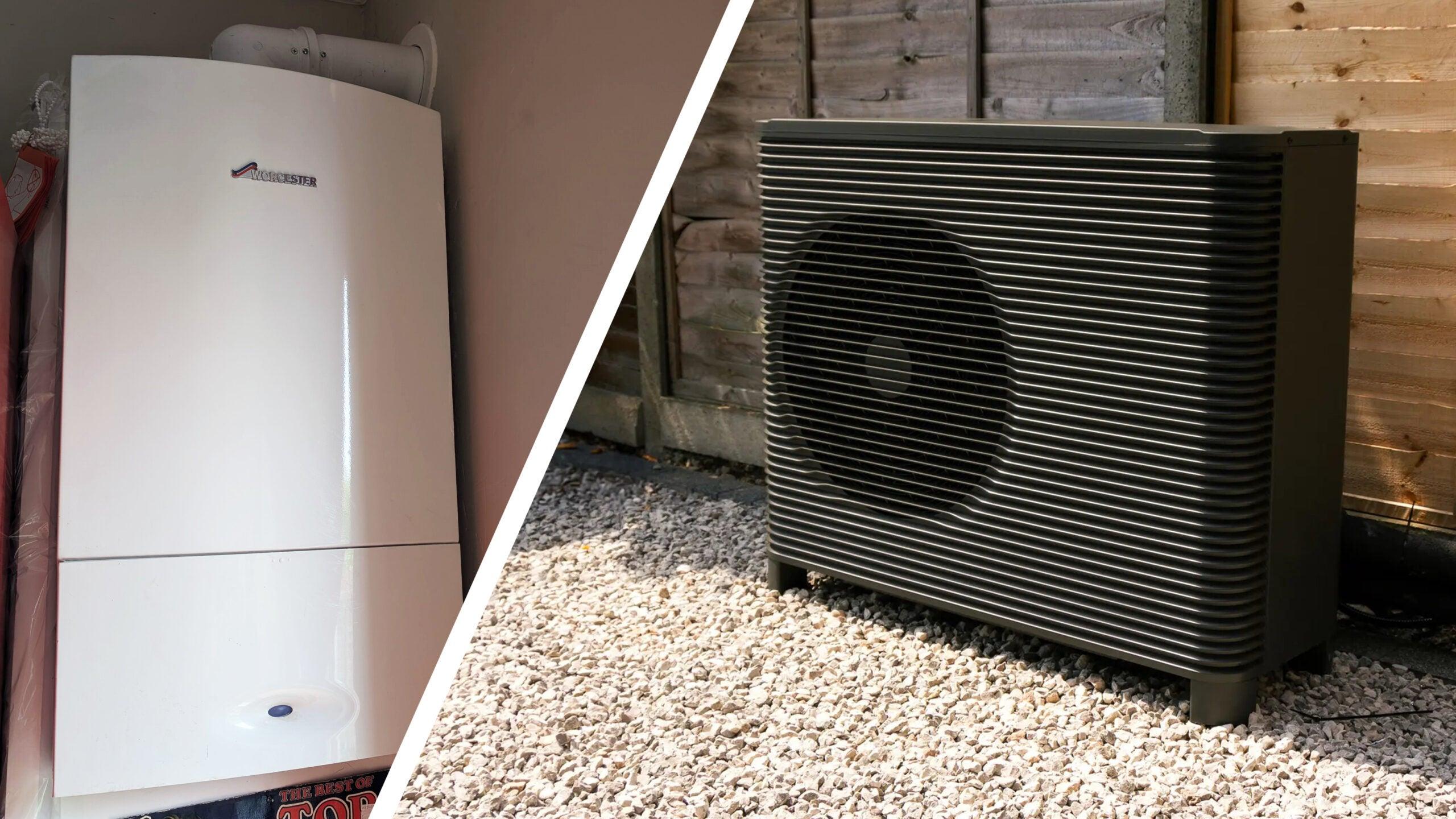
Searches about the Boiler Upgrade Scheme ending have become more common as the programme has gone through several changes. Grant amounts have been revised, new categories have been introduced and older guidance is still available online.
The current position in September 2026 is that the scheme is still operating in England and Wales. The standard grant remains £7,500 for eligible air-to-water and ground-source heat pumps, while certain off-gas-grid properties can now qualify for a higher amount.
So, a change in the grant structure should not be confused with the scheme itself being withdrawn.
Is the £7,500 Boiler Upgrade Scheme Still Available?
The £7500 boiler upgrade scheme remains available for eligible air-to-water and ground-source heat pump installations. The grant also covers water-source heat pumps and qualifying shared ground-loop systems within the ground-source category.
Other technologies have different grant levels. Residential air-to-air heat pumps currently qualify for £2,500, while eligible biomass boilers receive £5,000.
The more recent change concerns certain homes that are not connected to mains gas. From 21 July 2026, eligible off-gas-grid properties replacing qualifying oil or LPG heating with an air-to-water or ground-source heat pump can receive £9,000 rather than the standard £7,500.
This is an uplift within the existing scheme, not evidence that the standard grant has disappeared.
Why Has There Been Confusion About The Scheme?
The main reason is that BUS guidance has been updated over time. Ofgem's current property-owner guidance, version 5.1, applies to applications properly made from 28 April 2026, with the updated grant values for eligible off-gas-grid properties applying from 21 July 2026.
Older articles can therefore contain figures that were correct when published but no longer describe every current grant category.
For anyone researching a heating upgrade, the publication date matters. A statement saying that the grant is £7,500 may still be correct for many properties, but it does not necessarily account for the newer £9,000 category.
Likewise, an article discussing an earlier version of the scheme should not be treated as evidence that BUS has ended.
What Is Boiler Upgrade Scheme? Understanding The Current Position
If you are searching what is boiler upgrade scheme, the simplest description is a government grant programme that helps reduce the upfront cost of installing eligible low-carbon heating systems in England and Wales.
The scheme is installer-led. Property owners do not normally complete the entire grant process themselves. Instead, an MCS-certified installer submits the application to Ofgem on their behalf, and the approved grant is deducted from the installation quotation.
That structure also explains why choosing an installer is an important part of applying. The installer needs to understand both the technical requirements of the proposed system and the administrative requirements of BUS.
The homeowner should receive a clear quotation showing how much the grant reduces the amount payable.
Has The £9,000 Grant Replaced The £7,500 Grant?
No. The two figures apply to different circumstances.
The £7,500 grant remains the standard amount for eligible air-to-water and ground-source heat pumps in properties that fall within the relevant standard categories. The £9,000 grant is available to specific off-gas-grid properties where the qualifying replacement conditions are met.
The official July 2026 notice sets out individual grant categories rather than applying one amount to every heat pump installation. For example, replacing oil or LPG heating with an eligible air-to-water or ground-source heat pump in an off-gas-grid property can qualify for £9,000.
This distinction is useful when budgeting. A homeowner should establish the property's grant category before subtracting a figure from an installer quotation.
Does The Scheme Cover A New Gas Boiler?
No. BUS is not a general grant for replacing an old gas boiler with another gas boiler.
The supported technologies are air-to-water heat pumps, ground-source heat pumps, air-to-air heat pumps and eligible biomass boilers. The system also needs to satisfy technical requirements, including efficiency standards.
Hybrid systems can cause particular confusion. A setup combining a fossil-fuel boiler with an air-source heat pump is not eligible under the scheme. The proposed installation must meet the specific BUS requirements rather than simply adding a heat pump to an existing boiler system.
For a homeowner considering a heat pump, the question is therefore less about whether the existing boiler is old and more about whether the property and proposed replacement satisfy the scheme rules.
Can You Apply While Your Existing Boiler Still Works?
Yes, the existing heating system does not have to fail before you investigate BUS.
Planning the change while the current system is operating can give you more time to arrange a survey, compare quotations and understand any alterations the property may require.
A heat pump installation can involve more than removing one appliance and installing another. Depending on the property, the installer may recommend changes to radiators, controls, hot-water storage, pipework or insulation.
The condition of the building also matters. Ofgem advises that heat pumps perform best in well-insulated properties, making energy-efficiency improvements worth discussing during the design process.
What Could Make You Ineligible?
Several conditions can prevent a property from qualifying. New-build properties are generally excluded, although qualifying self-builds can be eligible. Social housing is also outside the standard BUS route.
A property cannot receive a BUS grant to replace an existing low-carbon heating system. Previous government funding for the same heat pump or biomass installation can also affect eligibility.
The proposed heating system must be capable of meeting the property's full space-heating and hot-water requirements. Heat pumps must be sized to meet the property's full space-heating needs, subject to the scheme's technical requirements.
These conditions are why an installer should check the property before presenting a grant amount as confirmed.
How Long Do You Have After Approval?
The grant application does not remain open indefinitely after approval. Current Ofgem guidance gives installers three months to complete a standard installation after the application is approved. Ground-source heat pump installations have six months.
If the installer does not complete the work within the applicable period, a new application may be required and the homeowner may need to confirm consent again.
This is a practical detail worth checking before accepting a quotation, especially if other building work needs to happen first.
Is The Boiler Upgrade Scheme Actually Ending?
The current official information does not show BUS ending in 2026. Instead, the scheme remains active and has been updated with new grant categories, including the £9,000 uplift for eligible off-gas-grid properties.
The current £9,000 uplift is available until 31 March 2027 under the published rules. The standard £7,500 grant continues to apply to eligible installations outside the higher-value categories.
That does not guarantee that grant values or eligibility rules will remain unchanged indefinitely. Government schemes can be amended, so anyone planning an installation should check the rules that apply when the application is actually made.
For now, homeowners considering a heat pump should focus on the current eligibility criteria, the property's heating requirements and the complete installation quotation. The grant is an important part of the calculation, but the final cost depends on the system and work the property needs.

 Arabic
 French
 Spanish
 Portuguese
 Deutsch
 Turkish
 Dutch
Dutch
 Italiano
 Russian
 Romaian
 Portuguese (Brazil)
 Greek
Greek