
How Luxury Brands Are Using Sophisticated Presentation to Create a Lasting Impression on Customers
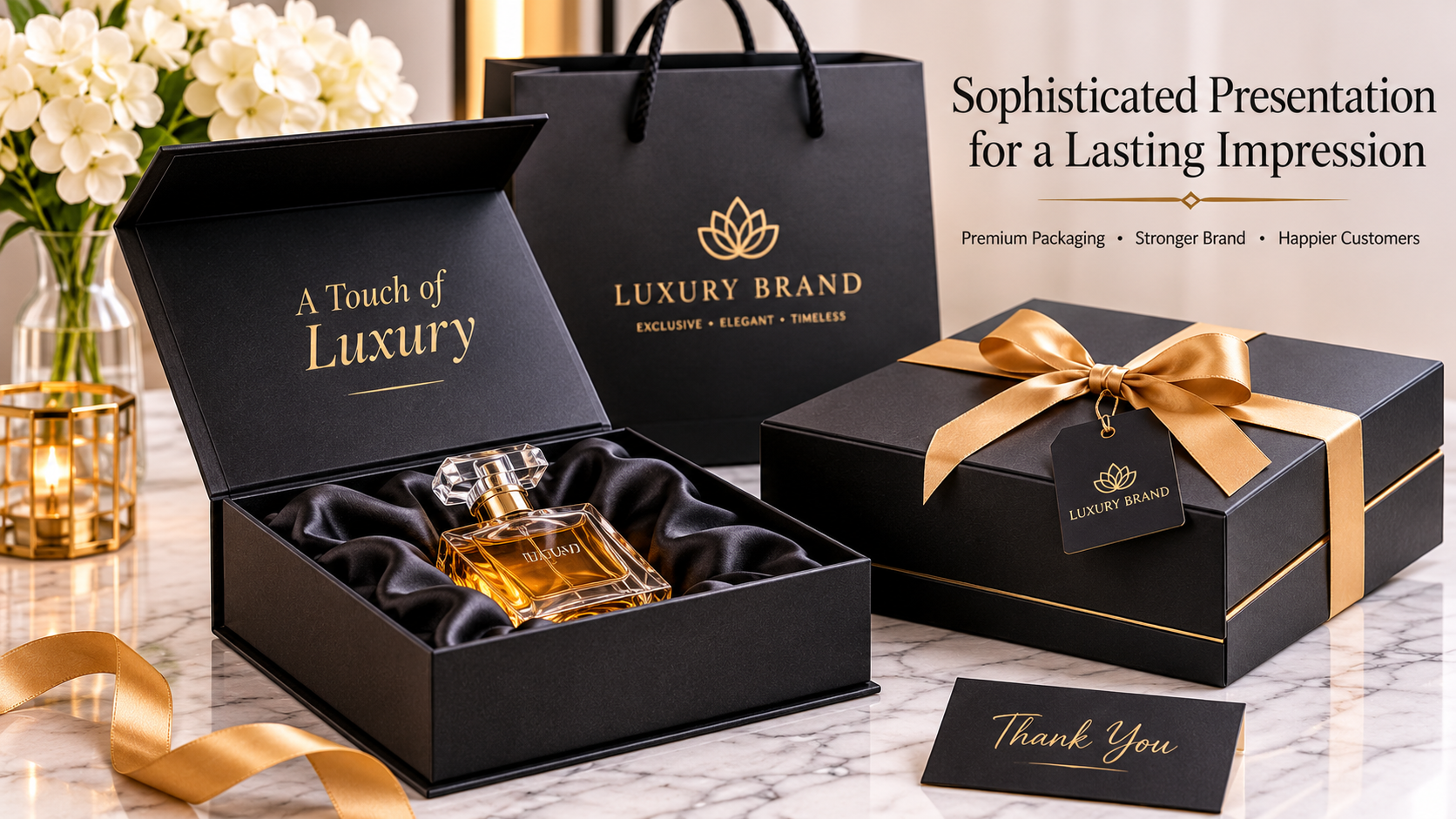
Luxury shopping is about more than purchasing an expensive product. Customers often expect an experience that reflects quality, attention to detail and thoughtful design. From the moment they discover a product to the moment they open it, every interaction can influence how they perceive a brand.
As competition grows across fashion, cosmetics, jewellery and premium retail, businesses are paying closer attention to product presentation. Materials, colours, structure and finishing details can all contribute to a memorable customer experience. When these elements work together, they help create a sense of quality without relying on unnecessary decoration.
Why Presentation Matters for Luxury Brands
Luxury products are often associated with craftsmanship, exclusivity and attention to detail. Their presentation should reflect these qualities while remaining practical for everyday use.
Customers may form an impression before they even see the product itself. A carefully designed box, a refined finish or a neatly arranged interior can create expectations about what is inside.
However, appearance alone cannot establish a premium reputation. The product must deliver the quality customers expect. Presentation should support the product's value rather than attempt to disguise shortcomings.
Choosing Materials That Reflect Quality
Material selection plays an important role in the overall presentation. Lightweight materials may suit everyday retail products, while premium items may require a more substantial structure.
Businesses should consider strength, texture, durability and the intended use of the container. A smooth surface can create a clean appearance, while textured materials may add visual interest without requiring elaborate graphics.
The material should also protect the product during storage and handling. Luxury presentation is most effective when it combines an attractive appearance with reliable performance.
Understanding the Importance of Box Structure
The physical structure of a box can influence how customers interact with a product. A well-fitted container helps keep items organised and can make opening an order feel more considered.
Custom Rigid Boxes are often selected for premium products that benefit from a sturdy structure and refined presentation. They can be developed in different dimensions and styles to suit items such as jewellery, cosmetics, electronics, accessories and luxury gifts.
Businesses should consider the product's weight, shape and protection requirements before choosing a final design. The structure should feel appropriate without making the package unnecessarily complicated.
Using Colour to Communicate Brand Personality
Colour can influence how customers recognise and remember a brand. Luxury businesses often choose palettes that reflect their identity and target audience.
Some prefer neutral shades for a minimal appearance, while others use rich colours to create a stronger visual presence. The important thing is consistency across product presentation, websites, retail displays and other brand materials.
Black Rigid boxes can provide a sophisticated presentation option for businesses looking for a dark, understated appearance. Depending on the design, contrasting print, subtle textures or metallic details can add distinction while keeping the overall look balanced.
Keeping Branding Clear and Refined
Premium design does not always require large logos or elaborate graphics. In many cases, a small logo, carefully selected typography and balanced spacing can create a more polished result.
Businesses should decide which information customers need to see and where it should appear. Too many visual elements can make a design feel crowded and reduce its overall impact.
A consistent approach across different product ranges can also help customers recognise the brand more easily. This is particularly useful for businesses selling through both physical stores and online platforms.
Making the Opening Experience Memorable
Opening a luxury product can be an important part of the customer journey. A smooth lid, neatly arranged interior and well-positioned product can make the experience feel more rewarding.
Brands can introduce thoughtful details such as fitted inserts, protective tissue or a simple message. These elements should serve a purpose and complement the product rather than create unnecessary layers.
Ease of use is equally important. Customers should be able to open the box without struggling with difficult closures or excessive materials.
Protecting Products Without Compromising Appearance
Premium products may include delicate components, glass containers, jewellery or carefully finished accessories. Their presentation must therefore account for protection as well as appearance.
Suitable inserts and internal supports can help prevent unnecessary movement. Businesses should also consider how products will be stored, handled and transported before reaching the customer.
Testing a physical sample with the actual product is a sensible step. It helps identify problems with dimensions, closures and internal arrangements before a larger production order is placed.
Creating a Consistent Experience Across Sales Channels
Luxury brands increasingly sell through websites, marketplaces, social media and physical retail locations. Maintaining a consistent identity across these channels can help create a more recognisable customer experience.
Online orders require particular attention because the delivery may be the first physical interaction a customer has with the brand. The outer container should provide suitable protection, while the presentation inside should reflect the business's wider visual identity.
Retail displays should follow a similar approach. Products need to be arranged neatly, with presentation that supports the brand without distracting from the items being sold.
Considering Sustainability in Premium Design
Luxury presentation does not have to involve excessive materials. Businesses can review their designs to reduce unnecessary components while maintaining suitable protection.
Depending on the product and application, recyclable or responsibly sourced materials may be worth considering. Suppliers can provide information about material composition, coatings and recycling suitability.
Brands should avoid making environmental claims without supporting information. A responsible approach involves considering the full purpose of the container, including durability, product protection and potential reuse.
Testing Designs Before Production
A design may look impressive on a computer screen but behave differently when manufactured. Before committing to a large order, businesses should examine physical samples.
Check the dimensions, material quality, closure, print finish and internal fit. It is also useful to consider how the boxes will be stored and handled by employees.
Feedback from staff and customers can highlight practical improvements. Reviewing these details early may help businesses avoid unnecessary production costs and create a more reliable final design.
Final Thoughts
Luxury brands are using sophisticated presentation to strengthen their identity and create more memorable customer experiences. Materials, structure, colour, branding and the opening process all contribute to how a product is perceived.
The strongest designs combine visual refinement with practical performance. By selecting suitable materials, protecting products properly and maintaining consistent branding, businesses can create presentation that reflects the quality of their products.
Ultimately, a lasting impression comes from attention to detail. Every design choice should support the product, serve the customer and communicate the personality of the brand.

 English
 Arabic
 French
 Spanish
 Portuguese
 Deutsch
 Turkish
 Dutch
 Italiano
 Russian
 Portuguese (Brazil)
 Greek