
The Importance of Individualised Care in Medical Weight Loss
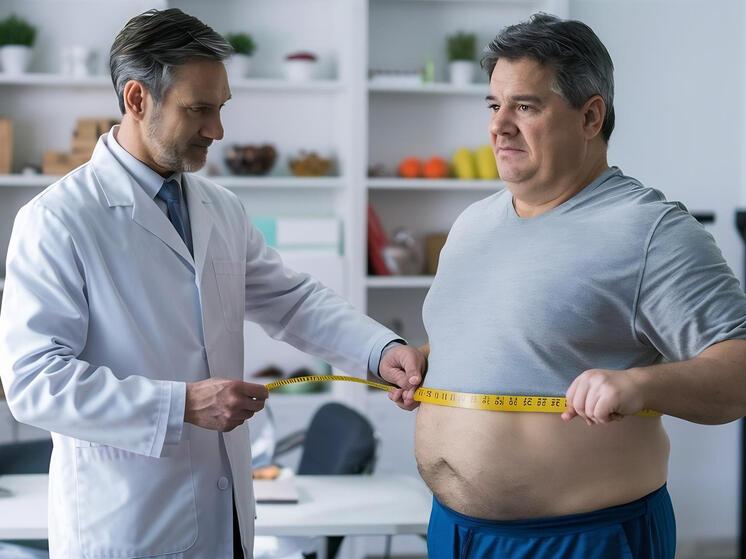
Medical Weight Loss treatment in Islamabad is not simply about reducing numbers on a weighing scale. It involves understanding an individual's health, lifestyle, eating habits, metabolism, and personal weight management goals. Every person has a different body composition, medical history, and response to weight loss interventions. Therefore, following the same diet or treatment plan may not produce similar results for everyone.
Individualised care focuses on creating a weight management strategy according to a person's specific needs. Instead of recommending general solutions, healthcare professionals assess different health factors before suggesting suitable options. This approach helps individuals make informed decisions while supporting safer and more sustainable progress.
Why Does Individualised Care Matter in Medical Weight Loss?
A personalised approach allows healthcare providers to understand why someone is experiencing weight-related difficulties. Factors such as hormonal changes, genetics, sleep patterns, stress, medications, and eating behaviours can influence weight.
For example, someone with a sedentary lifestyle may require a different strategy from someone who regularly exercises but struggles with certain metabolic or medical conditions.
Individualised care is important because it:
-
Recognises individual health needs: Every patient has different medical requirements that should be considered before treatment.
-
Supports realistic goals: Weight management targets should reflect a person's health condition, body composition, and circumstances.
-
Improves treatment suitability: Healthcare professionals can recommend appropriate interventions based on individual assessments.
-
Encourages consistency: Practical plans are generally easier to follow when they fit into everyday routines.
-
Supports long-term health: The focus extends beyond initial weight reduction to maintaining healthier habits.
A personalised plan also helps patients understand that healthy weight management is a gradual process rather than a quick transformation.
The Role of Medical Assessment Before Starting Treatment
A proper medical assessment is one of the most important steps in personalised weight loss. Before recommending medication, dietary changes, or other interventions, healthcare professionals should evaluate the patient's overall health.
This assessment helps identify potential concerns that may influence treatment decisions.
Important factors may include:
-
Medical history: Previous illnesses, existing health conditions, and current medications.
-
Body composition: Weight, height, BMI, and other relevant measurements.
-
Lifestyle habits: Daily physical activity, eating patterns, sleep quality, and stress levels.
-
Metabolic health: Relevant blood tests and investigations when clinically indicated.
-
Weight loss history: Previous attempts, challenges, and responses to different approaches.
These details provide a clearer understanding of the patient's needs. They also help healthcare professionals determine whether medical weight loss interventions are appropriate.
How Personalised Treatment Plans Support Better Weight Management
An effective medical weight loss programme should consider more than calorie intake. It should combine appropriate medical guidance with manageable lifestyle adjustments.
Depending on the individual's health assessment, a personalised plan may include several components.
Nutrition guidance
Dietary recommendations should reflect nutritional requirements, food preferences, daily routines, and health conditions. A balanced eating plan may focus on:
-
Appropriate portion sizes.
-
Protein-rich food sources.
-
Vegetables, fruits, and fibre.
-
Healthy fats and balanced carbohydrates.
-
Consistent eating habits.
Physical activity recommendations
Exercise plans should match a person's physical ability, fitness level, and medical circumstances. Some individuals may benefit from walking and low-impact activities, while others may gradually introduce strength training and more intensive exercise.
Medical interventions
Certain patients may be suitable candidates for prescription weight management medications. However, these treatments require professional assessment, consideration of potential side effects, and ongoing monitoring.
Behavioural support
Emotional eating, irregular sleep, stress, and inconsistent routines can affect weight management. Addressing these behaviours can help patients develop healthier habits over time.
Why Continuous Monitoring and Follow-Up Are Essential
Individualised medical weight loss does not end after receiving an initial treatment plan. Regular follow-up appointments allow healthcare professionals to evaluate progress and make necessary adjustments.
A person's response to treatment may change over time. Some individuals experience steady progress, while others may encounter temporary plateaus or difficulties maintaining their routine.
During follow-up appointments, healthcare providers may:
-
Review changes in weight and relevant health measurements.
-
Monitor treatment effectiveness and possible side effects.
-
Assess nutritional habits and physical activity.
-
Discuss challenges affecting consistency.
-
Adjust recommendations when medically necessary.
Continuous monitoring also provides an opportunity to identify concerns early. This makes professional supervision an important part of responsible weight management.
Choosing a Clinic for Individualised Medical Weight Loss
Selecting an appropriate clinic is an important decision when considering medically supervised weight management. Patients should look beyond promotional claims and focus on professional qualifications, assessment procedures, treatment transparency, and follow-up support.
A reliable clinic should explain available options, discuss possible risks, and recommend treatments according to individual suitability rather than offering identical solutions to everyone.
People exploring medical weight loss services in Islamabad may consider SKN Cosmetics in Islamabad when researching available treatment options. Before proceeding, patients should discuss their weight management goals, medical history, and expectations with the relevant healthcare professional. Understanding the assessment process, treatment recommendations, safety considerations, and follow-up arrangements can help individuals make informed decisions.
Setting Realistic Expectations for Long-Term Results
One of the biggest challenges in medical weight loss is maintaining progress after reaching an initial goal. Rapid weight reduction is not necessarily sustainable, and individual results can vary depending on health conditions, treatment methods, and lifestyle habits.
A personalised approach encourages patients to focus on gradual improvements instead of expecting immediate changes.
Some practical habits that support long-term weight management include:
-
Maintaining balanced and consistent eating patterns.
-
Staying physically active according to personal ability.
-
Getting sufficient sleep.
-
Managing everyday stress.
-
Attending recommended medical follow-ups.
-
Discussing unexpected changes with healthcare professionals.
It is also important to understand that weight can fluctuate naturally. Progress should be evaluated through overall health improvements and sustainable habits rather than relying exclusively on the weighing scale.
Frequently Asked Questions (FAQs)
Q1: What is individualised medical weight loss?
It is a personalised approach to weight management based on individual health needs, lifestyle, and medical history.
Q2: Why is medical assessment important before weight loss treatment?
It helps identify health concerns and determine suitable treatment options.
Q3: Can everyone follow the same weight loss plan?
No. Different health conditions, lifestyles, and nutritional needs require different approaches.
Q4: How often should weight loss progress be monitored?
Follow-up frequency depends on the treatment plan and healthcare professional's recommendations.
Q5: Does personalised medical weight loss support long-term results?
Yes. It can encourage sustainable habits and appropriate medical support for long-term weight management.
 English
 Arabic
 French
 Spanish
 Portuguese
 Deutsch
 Turkish
 Dutch
 Italiano
 Russian
 Romaian
 Portuguese (Brazil)
 Greek