
What Happens During a Root Canal Treatment and How Long Does It Take?
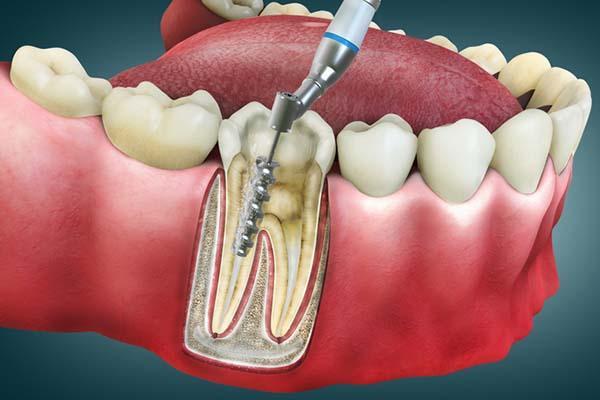
If you have been advised to undergo root canal treatment, one of the first questions you may have is how long does a root canal take? The answer varies depending on the tooth being treated, the number of root canals it has, the extent of infection, and whether additional treatment is required. While some root canal procedures can be completed in one appointment, others may require multiple visits. Understanding what happens during the procedure can help you feel more prepared and less anxious about treatment.
A root canal is a dental procedure designed to treat infection or inflammation inside a tooth. It can help preserve your natural tooth when the inner pulp has been damaged by deep decay, a crack, injury, or repeated dental treatment.
What Is a Root Canal Treatment?
Inside every tooth is a soft area called the dental pulp. It contains nerves, blood vessels, and connective tissue. When bacteria reach the pulp through deep decay, cracks, or damage, the tissue can become inflamed or infected.
Common symptoms of a damaged or infected tooth can include:
-
Persistent toothache
-
Sensitivity to hot or cold
-
Pain when biting or chewing
-
Swelling around the tooth
-
Tender or swollen gums
-
Tooth discolouration
-
A recurring or severe toothache
In some cases, a tooth may have an infection without causing obvious symptoms. A dental examination and appropriate imaging can help identify problems that may not be visible from the outside.
Why Might You Need a Root Canal?
A root canal may be recommended when the pulp inside a tooth is severely inflamed or infected and cannot recover naturally.
Common causes include:
Deep Tooth Decay
A cavity can gradually move through the enamel and deeper layers of the tooth. If decay reaches the pulp, bacteria can cause inflammation or infection.
Cracked or Damaged Teeth
A crack can allow bacteria to enter the inner parts of the tooth. Depending on the extent of the damage, root canal treatment may be needed to preserve the tooth.
Dental Injury
An accident or impact can damage the pulp even when there is no obvious crack or break in the tooth.
Repeated Dental Procedures
A tooth that has undergone multiple procedures may become irritated or weakened, potentially affecting the pulp.
What Happens Before Root Canal Treatment?
Before treatment begins, your dentist will examine the affected tooth and discuss your symptoms. Dental X-rays may be taken to understand the shape of the roots and determine the extent of the infection or damage.
Your dentist will explain why root canal treatment has been recommended and discuss what will happen during the procedure.
This is also a good time to ask questions about:
-
The expected treatment time
-
Number of appointments
-
Recovery
-
Costs
-
Possible restoration after treatment
-
Any alternative treatment options
If you feel nervous about dental treatment, let your dental team know. Understanding each step can make the experience more comfortable.
Step 1: Numbing the Tooth
The first stage is to make the affected tooth and surrounding area numb. Local anaesthetic is used to minimise discomfort during treatment.
You may feel pressure, movement, or vibration during the procedure, but you should not normally feel sharp pain. Your dentist will ensure the area is adequately numb before continuing.
Step 2: Creating Access to the Tooth
Once the tooth is numb, a small opening is made in the tooth. This gives the dentist access to the infected or inflamed pulp and root canal system.
The number and shape of root canals vary depending on the tooth. Front teeth often have simpler root structures, while back teeth may have multiple canals that require more detailed treatment.
This variation is one reason treatment times can differ significantly between patients.
Step 3: Removing the Damaged Pulp
The infected or inflamed pulp is carefully removed from inside the tooth. Special dental instruments are used to clean the root canals and remove bacteria, damaged tissue, and debris.
Thorough cleaning is an important part of the procedure because bacteria left inside the root canal system can contribute to ongoing infection.
Step 4: Cleaning and Shaping the Root Canals
After the pulp has been removed, the canals are cleaned and shaped. This prepares them to receive a filling material that will seal the inside of the tooth.
The dentist carefully works through the canals to clean them while preserving as much healthy tooth structure as possible.
In some situations, medication may be placed inside the tooth before it is sealed, particularly when there is an infection that requires additional management.
Step 5: Filling and Sealing the Tooth
Once the canals have been thoroughly cleaned and prepared, they are filled and sealed.
The purpose of sealing the canals is to prevent bacteria from entering the cleaned space again. Depending on the individual case, the tooth may receive a temporary filling before the final restoration is completed.
Your dentist will explain whether another appointment is necessary.
Step 6: Restoring the Tooth
After root canal treatment, the tooth may require a permanent restoration to protect it and restore its function.
Depending on the amount of natural tooth structure remaining and the location of the tooth, your dentist may recommend a filling or crown.
Back teeth often experience significant chewing pressure, so additional protection may be recommended when appropriate.
How Long Does a Root Canal Take?
So, how long does a root canal take? There is no fixed treatment time because every tooth and patient is different.
A straightforward root canal may take approximately one to two hours, while more complex cases may require additional time or more than one appointment.
Treatment time can depend on:
-
Which tooth is being treated
-
Number of root canals
-
Shape and complexity of the canals
-
Severity of infection
-
Previous treatment on the tooth
-
Presence of cracks or other damage
-
Need for additional procedures
A root canal treatment in corio may therefore take a different amount of time from another patient's treatment, even when the same type of procedure is being performed.
Can Root Canal Treatment Be Completed in One Visit?
Some root canal treatments can be completed in a single appointment. However, this is not appropriate for every case.
If the infection is extensive, the root canal anatomy is complex, or additional medication and monitoring are required, your dentist may recommend multiple appointments.
During your consultation, you can ask whether your treatment is likely to require one or several visits.
Is Root Canal Treatment Painful?
Many people worry that root canal treatment will be painful. Modern dental techniques and local anaesthetic are used to make the procedure as comfortable as possible.
The infection or inflammation itself may be responsible for much of the pain experienced before treatment. Some tenderness or sensitivity can occur after the procedure, particularly when biting, but this generally improves as the area heals.
Your dentist can provide specific aftercare instructions based on your treatment.
Recovery After Root Canal Treatment
After treatment, your mouth may remain numb for several hours. Avoid chewing until normal sensation returns to reduce the risk of accidentally biting your cheek or tongue.
If a temporary filling has been placed, you may be advised to avoid hard or sticky foods on that side until the final restoration is completed.
Continue brushing and cleaning between your teeth as recommended. Contact your dental provider if you experience increasing pain, significant swelling, or other unusual symptoms.
Why You Should Not Delay Treatment
If a tooth has an infected or severely damaged pulp, delaying treatment may allow the infection to progress. It can potentially lead to an abscess, swelling, increased pain, or damage to surrounding tissues.
Early treatment may give you a better opportunity to preserve the natural tooth.
If you have been advised to undergo root canal treatment in corio, ask your dentist about the recommended timeline and what could happen if treatment is postponed.
Final Thoughts
Root canal treatment is designed to remove infected or damaged pulp, clean the root canal system, seal the tooth, and help preserve the natural tooth. The procedure generally involves examination and imaging, local anaesthetic, removal of the damaged pulp, cleaning and shaping, sealing, and finally restoring the tooth.
If you are wondering how long does a root canal take, the answer depends on the tooth and complexity of the case. Some treatments can be completed in one appointment, while others may require multiple visits.
If you have persistent tooth pain, sensitivity, swelling, or discomfort when chewing, a dental examination can help identify the cause. Understanding the process of root canal treatment in corio can help you make an informed decision and feel more prepared for your treatment.
FAQs
1. How long does a root canal take?
A root canal can take around one to two hours for some teeth, but treatment time varies. Complex teeth or cases involving significant infection may require additional time or appointments.
2. Is a root canal painful?
Local anaesthetic is used to numb the affected area during treatment. Some tenderness or sensitivity may occur afterwards, but your dentist can provide appropriate aftercare advice.
3. How many appointments are needed for root canal treatment?
Some cases can be completed in one appointment, while others require two or more visits. The number of appointments depends on the tooth, infection, root canal anatomy, and treatment complexity.
4. Do I need a crown after a root canal?
A crown may be recommended depending on how much tooth structure remains and which tooth has been treated. Your dentist can assess the tooth and explain whether additional protection is appropriate.
5. What happens if I delay root canal treatment?
If an infected or severely inflamed tooth is left untreated, the condition may worsen and potentially lead to an abscess or damage to surrounding tissues. Prompt dental assessment can help determine the appropriate treatment.

 English
 Arabic
 Spanish
 Portuguese
 Deutsch
 Turkish
 Dutch
 Italiano
 Russian
 Romaian
 Portuguese (Brazil)
 Greek