
IELTS Preparation Course: Develop Your English Skills and Prepare for Exam Success
English language proficiency can open doors to international education, employment and personal development. For students planning to study abroad, professionals seeking overseas opportunities and individuals preparing for migration, demonstrating English language ability can be an important requirement.
The International English Language Testing System (IELTS) is widely used to assess English proficiency. It evaluates four essential communication skills: Listening, Reading, Writing and Speaking. Preparing for the examination requires more than memorising vocabulary or practising sample questions. Candidates need to understand the test format, develop language skills and learn how to manage their time effectively.
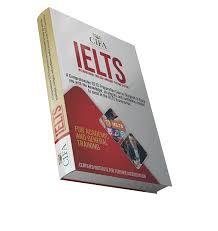
An IELTS preparation course can provide a structured way to strengthen these abilities. CIFA's IELTS programme offers digital learning across all four test components, helping learners develop their English proficiency and become familiar with different examination tasks.
What Is IELTS and Why Is It Important?
IELTS is an English language proficiency test designed to assess how effectively candidates can communicate in English. It is commonly used for university admissions, professional registration and certain immigration applications.
The examination measures a candidate's ability to understand spoken English, interpret written information, communicate ideas in writing and participate in conversations.
There are two main IELTS test types:
IELTS Academic
IELTS Academic is generally intended for people applying to higher education institutions or certain professional registration routes. It assesses whether candidates have the English skills needed to study or work in an academic environment.
IELTS General Training
IELTS General Training is commonly used for migration, employment and other non-academic purposes. Its Reading and Writing tasks focus more on everyday and workplace communication.
Candidates should check the requirements of their university, employer or immigration authority before choosing a test type.
Why Take an IELTS Preparation Course?
Preparing independently can be challenging, particularly when candidates are unsure which skills need improvement or how the examination is structured.
A structured IELTS preparation course introduces the four test components and provides opportunities to practise different question types.
It can help learners:
-
Understand the IELTS examination structure.
-
Improve listening comprehension and recognise important information.
-
Develop reading speed and comprehension.
-
Organise ideas clearly in written responses.
-
Improve spoken communication and pronunciation.
-
Expand vocabulary and strengthen grammar.
-
Practise answering different types of examination questions.
-
Develop time-management techniques.
Regular practice can help candidates identify their weaker areas and create a more focused preparation routine.
Understanding the Four IELTS Test Components
The IELTS examination assesses four language skills. Each component requires a different approach, so candidates should prepare for all four rather than concentrating on only one.
1. IELTS Listening
The Listening test evaluates how well candidates understand spoken English in different situations.
Candidates listen to recordings and answer questions based on the information they hear. These recordings may include conversations, discussions and longer spoken passages.
Important listening skills include:
-
Identifying key information.
-
Recognising names, numbers and specific details.
-
Understanding the main idea of a conversation.
-
Following the development of a discussion.
-
Recognising paraphrased information.
-
Understanding different accents.
One useful preparation technique is to practise listening to English regularly. Candidates can use educational recordings, conversations, interviews and other suitable audio materials.
It is also important to read questions carefully before listening so that attention can be focused on the information required.
2. IELTS Reading
The Reading test measures the ability to understand written English and identify relevant information within a text.
Candidates need to read efficiently, recognise the main ideas and understand how information is presented.
Useful reading techniques include:
Skimming: Reading quickly to understand the general meaning of a passage.
Scanning: Searching for specific information, names, dates or keywords.
Identifying main ideas: Recognising the central message of a paragraph or section.
Understanding paraphrasing: Recognising when a question expresses an idea using different words from the passage.
Managing time: Allocating enough time to complete all questions without spending too long on one section.
Regular reading practice can help candidates become more comfortable with different writing styles and improve their ability to locate information.
3. IELTS Writing
The Writing test assesses how effectively candidates communicate ideas in written English.
Candidates need to organise information, use appropriate vocabulary, construct accurate sentences and respond to the task requirements.
Preparation should focus on:
-
Understanding the requirements of each writing task.
-
Organising ideas into clear paragraphs.
-
Developing logical arguments.
-
Using a suitable range of vocabulary.
-
Improving grammar and sentence structure.
-
Maintaining coherence and cohesion.
-
Reviewing written work for errors.
Candidates should avoid relying on memorised essays or fixed templates. Strong writing comes from understanding the question, responding directly and expressing ideas naturally.
Practising under timed conditions can also help candidates manage their writing more effectively.
4. IELTS Speaking
The Speaking test evaluates the ability to communicate verbally in English.
Candidates may be asked questions about familiar topics, speak at greater length about a subject and discuss more abstract ideas.
Important speaking skills include:
-
Expressing opinions clearly.
-
Developing answers with relevant examples.
-
Speaking with appropriate fluency.
-
Using a varied vocabulary.
-
Applying accurate grammar.
-
Pronouncing words clearly.
-
Responding naturally to questions.
Speaking practice should focus on communication rather than memorising complete answers. Recording practice responses can help candidates identify areas where they need to improve fluency, pronunciation or organisation.
What Will You Learn in CIFA's IELTS Course?
CIFA's IELTS preparation programme is organised into twelve chapters, with three chapters dedicated to each of the four language skills.
The course combines video-based instruction with practice materials and chapter-based mock examinations.
IELTS Listening: Three Learning Chapters
Chapter 1: Getting Ready to Listen
Introduces the foundations of listening preparation and helps learners understand how to approach spoken information.
Chapter 2: Following a Conversation
Focuses on understanding conversations, following the flow of information and identifying important details.
Chapter 3: Recognising Paraphrase
Develops awareness of paraphrasing, helping learners recognise when spoken information communicates an idea using different wording.
IELTS Reading: Three Learning Chapters
Chapter 1: Reading Strategies
Introduces techniques for approaching written passages, locating information and understanding the main ideas.
Chapter 2: Descriptive Passages
Helps learners develop the skills needed to understand descriptive texts and identify relevant details.
Chapter 3: Understanding the Main Ideas
Focuses on identifying central arguments, recognising supporting information and understanding the overall meaning of written material.
IELTS Writing: Three Learning Chapters
Chapter 1: Writing a Letter
Introduces letter-writing skills and helps learners understand how to organise written communication for different purposes.
Chapter 2: Getting Ready to Write
Focuses on preparing ideas and organising information before beginning a written response.
Chapter 3: Expressing Your Ideas Clearly
Develops the ability to communicate ideas in a clear, structured and understandable way.
IELTS Speaking: Three Learning Chapters
Chapter 1: Speaking Skills
Introduces essential speaking techniques and helps learners develop confidence in verbal communication.
Chapter 2: Giving a Talk
Focuses on presenting information and expressing ideas in a structured way.
Chapter 3: Talking About Abstract Topics
Helps learners develop responses to broader questions that require explanation, opinions and supporting examples.
This chapter-based structure allows learners to study the four IELTS components separately while developing a balanced approach to examination preparation.
Benefits of Studying IELTS Online
Online learning can make IELTS preparation more accessible for candidates with different schedules and commitments.
Flexible Study Arrangements
A digital course allows learners to organise their study time around work, education and personal responsibilities.
Structured Learning
Following a defined syllabus helps candidates approach Listening, Reading, Writing and Speaking systematically.
Opportunities for Practice
Practice materials and mock examinations can help learners become familiar with question formats and identify areas that need additional attention.
Improved English Communication
IELTS preparation develops skills that are useful beyond the examination, including academic reading, professional writing, listening comprehension and spoken communication.
Greater Examination Confidence
Understanding the test structure and practising different tasks can help candidates feel more prepared when approaching the examination.
Who Should Consider an IELTS Preparation Course?
An IELTS preparation course can benefit people who need to demonstrate English proficiency for different academic, professional or personal goals.
Potential learners include:
-
International students preparing to apply to universities and colleges.
-
University graduates planning further education overseas.
-
Professionals exploring international employment opportunities.
-
Migration applicants who need to meet English language requirements.
-
Career changers considering opportunities in English-speaking countries.
-
English learners who want to improve their overall communication skills.
-
First-time IELTS candidates who need an introduction to the examination format.
The appropriate IELTS test type and required score depend on the organisation or authority requesting the result.
Why Choose CIFA for IELTS Preparation?
Choosing a suitable preparation programme can help learners organise their study and focus on the skills assessed in the examination.
CIFA's IELTS course provides a digital learning experience covering all four language components. Its twelve-chapter structure introduces different aspects of listening, reading, writing and speaking.
CIFA currently lists the following course features:
-
Beginner course level.
-
Digital learning format.
-
Twelve structured learning chapters.
-
Video-based chapter instruction.
-
Downloadable PDF practice tests.
-
Chapter-based mock examinations.
-
Lifetime access to the learning portal.
-
Digital profile.
-
Certificate of Achievement after successfully completing and passing the examination.
The course is listed at £358 on CIFA's website.
The flexible online format allows learners to study at their own pace and revisit learning materials as they prepare. Candidates can use the chapter-based practice activities to review their understanding and identify topics requiring more attention.
How to Prepare Effectively for IELTS
Successful preparation requires consistency. Rather than studying all four skills intensively on one day and ignoring them afterwards, candidates should create a balanced routine.
Set a Clear Target
Identify the IELTS score required by your university, employer or immigration application. This provides a clear objective for your preparation.
Assess Your Current English Level
Attempt sample questions in all four components to identify your strengths and weaknesses. This can help you decide where to spend more study time.
Practise Listening Every Day
Listen to different forms of English communication, including interviews, educational recordings and conversations. Focus on understanding meaning rather than simply recognising individual words.
Read Regularly
Develop a reading habit using articles, reports, academic texts and other suitable materials. Practise identifying main ideas and locating specific information.
Write Under Timed Conditions
Practise organising your ideas and completing writing tasks within the allocated time. Review your work for grammar, vocabulary and clarity.
Speak English Consistently
Use English in everyday conversations, practise discussing familiar subjects and record your responses. This can help improve fluency and confidence.
Review Your Practice Results
Use mock examinations to evaluate your progress. Focus on recurring mistakes and revisit topics where your performance needs improvement.
IELTS Preparation and International Opportunities
IELTS results may be required for different international pathways. Understanding how the test supports these opportunities can help candidates plan their preparation.
Higher Education
Universities in English-speaking countries and international institutions may require IELTS results as evidence of language proficiency.
International Employment
Some employers and professional organisations require evidence of English ability, particularly where communication is central to the role.
Immigration Applications
Certain immigration routes use English language test results as part of their eligibility requirements. Applicants should check the accepted tests and score requirements for their specific application.
Professional Development
Improving English communication can also support workplace performance, professional networking and participation in international learning environments.
IELTS preparation can therefore provide benefits beyond the examination itself by helping learners develop practical communication skills.
Conclusion: Prepare for Your English Language Goals with CIFA
Achieving a strong IELTS result requires preparation across all four language skills. Candidates need to understand spoken information, interpret written texts, organise ideas in writing and communicate confidently in English.
An IELTS preparation course can provide the structure and practice needed to approach these areas systematically. CIFA's programme includes twelve learning chapters covering Listening, Reading, Writing and Speaking, alongside video instruction, downloadable practice tests and chapter-based mock examinations.
For international students, professionals, migration applicants and individuals seeking to improve their English, CIFA offers a flexible digital learning option to support their preparation journey.
Frequently Asked Questions
1. What is an IELTS preparation course?
An IELTS preparation course helps candidates develop the English language skills required for the IELTS examination. It covers Listening, Reading, Writing and Speaking, along with test strategies and practice activities.
2. What are the four sections of the IELTS exam?
The four sections are Listening, Reading, Writing and Speaking. Each section assesses a different aspect of English language proficiency.
3. What is the difference between IELTS Academic and General Training?
IELTS Academic is generally used for higher education and certain professional registration purposes. IELTS General Training is commonly used for migration, employment and non-academic purposes. Candidates should confirm which version they need before booking.
4. What does CIFA's IELTS course include?
CIFA's course includes twelve structured chapters, with three chapters each for Listening, Reading, Writing and Speaking. It also provides video-based learning, downloadable PDF practice tests and chapter-based mock examinations.
5. Is CIFA's IELTS preparation course suitable for beginners?
Yes. CIFA lists the IELTS course at beginner level, making it an option for learners who want to develop their English skills and understand the examination structure.
6. Can I study IELTS preparation online?
Yes. CIFA provides its IELTS programme in a digital format, allowing learners to access the course through its online learning portal.
7. How much does CIFA's IELTS course cost?
CIFA currently lists the IELTS course at £358. Candidates should check the official course page for the latest price and any additional examination fees.
8. Does completing an IELTS preparation course guarantee a particular band score?
No. A preparation course can help learners develop their skills and practise examination tasks, but the final IELTS result depends on individual performance in the official test.

 English
 Arabic
 French
 Portuguese
 Deutsch
 Turkish
 Dutch
 Italiano
 Russian
 Romaian
 Portuguese (Brazil)
 Greek