
Hiko Nose Lift Cost in Riyadh: Threads, Technique, and Treatment Plan
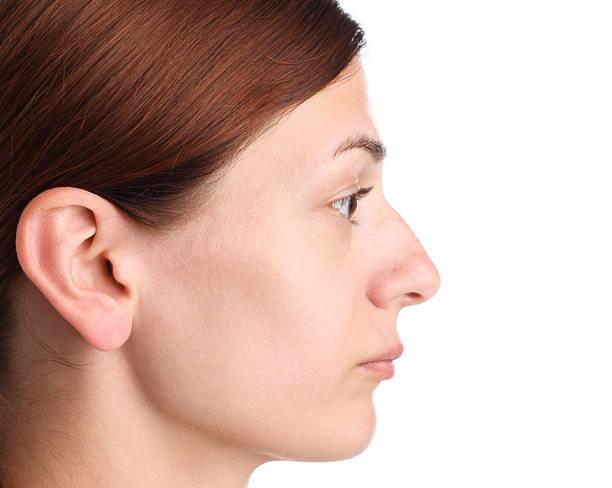
A well-defined nose can enhance overall facial balance and create a more harmonious appearance. For people who want to improve their nose shape without undergoing traditional surgery, a Hiko nose lift offers a minimally invasive option. This treatment uses specially designed threads to provide support, improve the nasal bridge, and create a more refined profile. Understanding the Hiko Nose Lift Cost in Riyadh involves learning about the threads, treatment technique, individual requirements, and the overall treatment plan before making a decision.
People researching hiko nose lift price in saudi arabia often want to understand what the procedure involves and whether it suits their aesthetic goals. Hiko nose lift is a non-surgical nose enhancement technique that uses absorbable threads placed beneath the skin. These threads help lift and support selected areas of the nose. The treatment is generally suitable for people seeking subtle improvements without the recovery associated with traditional rhinoplasty.
What Is a Hiko Nose Lift?
A Hiko nose lift is a minimally invasive cosmetic procedure designed to improve the appearance of the nose using dissolvable threads. It is commonly used to enhance the nasal bridge, improve tip projection, and create a straighter-looking nasal profile.
Unlike surgical rhinoplasty, this technique does not involve removing bone or cartilage. Instead, specially designed threads are inserted beneath the skin to provide structural support. The results depend on the individual's nasal anatomy, skin condition, and treatment goals.
How Do Nose Lift Threads Work?
The procedure uses medical-grade absorbable threads that are carefully positioned beneath the skin. These threads provide temporary structural support and may stimulate collagen production as the body responds to them.
Over time, the threads gradually dissolve through natural processes. However, the structural and collagen-related effects can continue to influence the appearance of the treated area after the threads have been absorbed.
Types of Threads Used in Hiko Nose Lift
Thread selection plays an important role in the treatment plan. Different thread designs offer different levels of support and are selected according to the patient's nasal structure and desired outcome.
PDO Threads
Polydioxanone (PDO) threads are absorbable medical threads commonly used in aesthetic procedures. They provide temporary support and may encourage collagen production. Their suitability depends on the treatment area and the patient's individual needs.
Specialized Lifting Threads
Some nose lift techniques use specially designed threads with features that help provide additional anchoring and support. The choice depends on the practitioner's assessment, the nasal anatomy, and the desired degree of refinement.
How Is the Hiko Nose Lift Technique Performed?
The treatment usually begins with a consultation and facial assessment. The practitioner examines the nasal bridge, tip, skin thickness, and overall facial proportions to determine whether thread lifting is appropriate.
Preparation and Thread Placement
The treatment area is cleaned, and local anaesthesia is generally used to improve comfort. Threads are then carefully inserted through selected entry points using appropriate techniques and instruments.
Their placement is planned to provide support and improve the nose's appearance while maintaining natural facial proportions. The procedure generally takes less time than surgical rhinoplasty, although the duration varies depending on the treatment plan.
Immediate Results and Healing
Some improvement may be visible immediately after treatment. However, mild swelling, tenderness, bruising, or temporary irregularities can occur. The nose needs time to settle, and the final appearance should be assessed after the initial healing period.
Who Is a Suitable Candidate for Hiko Nose Lift?
Hiko nose lift may be appropriate for adults who want subtle nasal enhancement without undergoing surgery. People interested in improving a slightly low nasal bridge, refining the nasal tip, or achieving a more defined profile may consider this treatment.
However, it is not suitable for everyone. Individuals with certain nasal conditions, active skin infections, or unrealistic expectations may require alternative treatments. People seeking significant structural changes, correction of major deformities, or improvement in breathing may benefit more from a surgical assessment.
What Determines the Treatment Plan?
Every nose has a different structure, so a personalized treatment plan is essential. The number and type of threads, placement technique, skin thickness, and desired level of enhancement can influence the recommended approach.
The practitioner should also discuss possible complications, expected recovery, limitations, and whether additional treatment may be necessary. Patients should understand that thread lifting cannot produce the same structural changes as surgical rhinoplasty.
Recovery and Aftercare Following Hiko Nose Lift
Recovery is generally shorter than after traditional nose surgery, but proper aftercare remains important. Patients may experience temporary swelling, bruising, or sensitivity around the nose.
It is generally recommended to avoid unnecessary pressure on the nose, rubbing the treated area, and strenuous activities during the initial recovery period. Follow the practitioner's instructions regarding sleeping positions, skincare, and physical activities.
Patients should contact their treating practitioner if they experience increasing pain, unusual swelling, skin discoloration, or signs of infection.
Frequently Asked Questions
How long does a Hiko nose lift procedure take?
The procedure usually takes less time than surgical rhinoplasty. The exact duration depends on the number of threads required, the treatment area, and the individual's nasal structure.
Are Hiko nose lift threads permanent?
No, the threads are generally made from absorbable materials that gradually dissolve. The duration of visible results varies depending on the thread type, individual response, and treatment technique.
Is Hiko nose lift painful?
Local anaesthesia is generally used to reduce discomfort during the procedure. Some patients may experience mild tenderness or sensitivity afterward.
Book Your Consultation at Enfield Royal Clinic
Considering a Hiko nose lift starts with understanding your facial features, treatment expectations, and available options. At Enfield Royal Clinic, patients can discuss their aesthetic goals, receive an individual assessment, and learn whether this non-surgical approach is suitable for their needs. Book a consultation to explore your options and make an informed decision about enhancing your natural facial profile.

 Arabic
 French
 Spanish
 Portuguese
 Deutsch
 Turkish
 Dutch
 Italiano
 Russian
 Romaian
 Portuguese (Brazil)
 Greek