
Understanding Refinery Process Equipment and Its Industrial Applications
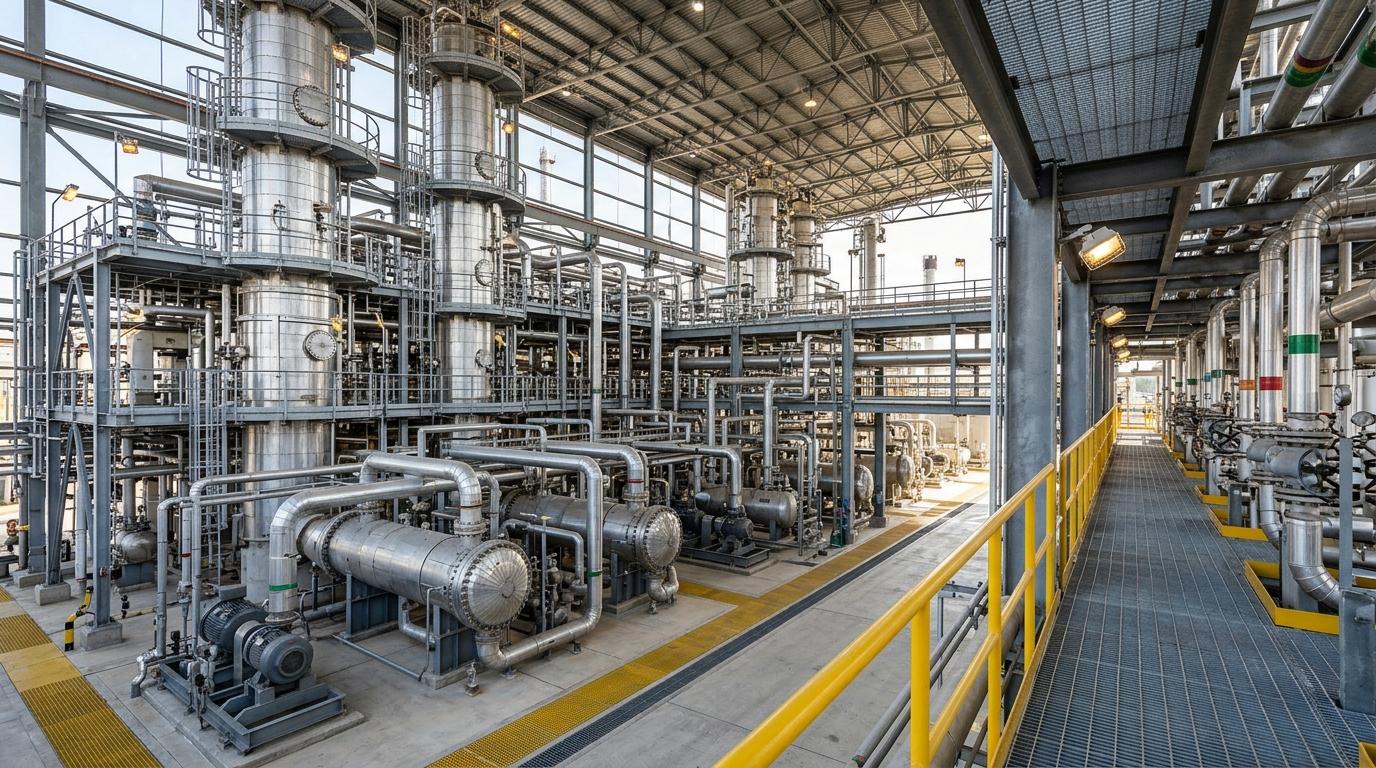
Petroleum refining involves several complex operations that transform crude oil into useful products, including gasoline, diesel, jet fuel, lubricants, and petrochemical feedstocks. Reliable refinery process equipment plays a central role in these operations by supporting separation, heating, cooling, chemical conversion, and the movement of fluids throughout a refinery. Each piece of equipment performs a specific function, and its performance can influence production efficiency, product quality, energy consumption, and plant safety.
Modern refineries depend on interconnected systems that operate under different temperatures, pressures, and chemical conditions. Selecting appropriate equipment requires an understanding of the refining process, the properties of the materials being handled, and the operational requirements of the facility.
What Is Refinery Process Equipment?
Refinery process equipment refers to the machinery, vessels, and industrial systems used to process crude oil and petroleum intermediates. These systems support physical separation, thermal treatment, chemical reactions, fluid transportation, and product finishing.
A refinery typically contains several interconnected processing units. Crude oil passes through different stages, with each stage designed to remove unwanted components, separate useful fractions, or change the chemical composition of selected materials.
The equipment used in a refinery must withstand demanding operating conditions. Depending on the application, components may be exposed to high temperatures, elevated pressures, corrosive substances, and continuous operation.
Common equipment categories include:
-
Distillation columns and separation vessels
-
Heat exchangers and industrial heaters
-
Pumps and compressors
-
Pressure vessels and storage tanks
-
Reactors and conversion systems
-
Filters and separation units
-
Industrial piping, valves, and instrumentation
The exact equipment configuration depends on the refinery's capacity, crude oil characteristics, product requirements, and processing technology.
Major Types of Refinery Process Equipment
Different types of machinery work together to maintain a continuous refining operation. Understanding their individual functions helps operators and engineering teams select suitable systems for each processing stage.
Distillation Columns
Distillation columns separate crude oil into fractions according to differences in boiling points. This process is one of the fundamental operations in petroleum refining.
In atmospheric distillation, heated crude oil enters a column where vapor and liquid move through different sections. Components separate into fractions that can be collected at various levels. Heavier materials may proceed to vacuum distillation for further processing at reduced pressure.
The design of a distillation column depends on throughput, feed composition, operating pressure, temperature, and required separation performance.
Important considerations include internal trays or packing, liquid distribution, vapor flow, pressure drop, and material compatibility. Proper design helps maintain stable operation and supports the desired product quality.
Heat Exchangers
Heat exchangers transfer thermal energy between fluids without necessarily allowing them to mix. Refineries use them to heat incoming crude oil, cool process streams, recover energy, and control operating temperatures.
Shell-and-tube heat exchangers are common in industrial facilities because they can accommodate a wide range of operating conditions. Other designs may be selected when space, pressure drop, thermal performance, or maintenance requirements make them more suitable.
Effective heat integration can reduce fuel consumption and improve overall plant efficiency. However, exchanger performance may decline because of fouling, corrosion, scaling, or flow restrictions.
Regular inspection and suitable cleaning procedures help maintain heat-transfer performance and identify developing problems.
Industrial Heaters and Furnaces
Industrial heaters raise process-stream temperatures before materials enter distillation columns, reactors, or other processing units.
These systems require careful temperature control, appropriate burner management, and reliable monitoring equipment. Excessive heating can damage process materials or contribute to unwanted reactions, while insufficient heating may reduce process performance.
Engineers must consider fuel type, heat duty, combustion efficiency, emissions requirements, and the thermal characteristics of the process stream when selecting a heater.
Pumps and Compressors
Pumps move liquids through pipelines and processing units, while compressors increase the pressure of gases.
Refineries use pumps to transfer crude oil, petroleum fractions, water, and other process fluids. Compressors support gas handling, process circulation, and other operations that require pressurized gas.
Equipment selection depends on flow rate, pressure requirements, fluid properties, temperature, and operating conditions. Viscosity, solids content, corrosiveness, and the presence of gas can also influence the choice.
Correctly selected pumps and compressors help maintain stable flow, reduce unnecessary energy consumption, and support reliable plant operation.
Pressure Vessels
Pressure vessels contain fluids or gases at pressures different from the surrounding atmosphere. They may serve as separators, receivers, reactors, or intermediate storage units.
Their design must account for operating pressure, temperature, material strength, corrosion allowance, and applicable engineering codes.
Inspection requirements depend on the vessel's design, service conditions, applicable regulations, and the facility's maintenance program. Pressure-relief devices and associated safety systems must also be appropriate for the intended service.
Reactors and Conversion Equipment
Some petroleum fractions require additional processing to meet product specifications or increase the value of refinery output.
Conversion processes may include catalytic cracking, hydrocracking, catalytic reforming, and other treatments. Each process uses specialized equipment designed around its reaction conditions and catalyst requirements.
Reactor design involves factors such as temperature distribution, pressure, residence time, catalyst performance, fluid flow, and heat management.
The equipment must also be compatible with the chemicals and reaction products present in the system.
How Equipment Supports Different Refinery Operations
Refinery equipment is selected according to the function of each processing unit. Several major operations demonstrate how individual systems work together.
Crude Oil Preparation
Before crude oil enters the main refining process, it may require treatment to reduce water, salts, and other unwanted materials.
Desalting systems help reduce contaminants that can contribute to corrosion, deposits, and operational problems downstream. Pumps, heaters, mixing systems, and separation vessels support this stage.
Effective preparation helps protect downstream equipment and supports consistent processing conditions.
Separation and Fractionation
Distillation separates crude oil and intermediate streams into fractions with different boiling ranges.
Columns, condensers, reboilers, heat exchangers, and associated pumps work together to achieve the required separation. Operating conditions must be controlled to maintain product specifications and avoid unnecessary energy use.
Conversion and Product Improvement
Conversion units change the structure of selected hydrocarbons or improve the properties of intermediate products.
These operations may require reactors, catalyst-handling systems, heaters, compressors, and specialized separation equipment. The selected equipment depends on the process technology and the desired product slate.
Product Treatment and Storage
Refinery products may undergo additional treatment to meet sulfur limits, stability requirements, or other quality specifications.
Treatment systems can include separation vessels, filters, chemical injection systems, and heat exchangers. Finished products are then transferred to suitable storage tanks or distribution systems.
Materials and Corrosion Resistance
Material selection is an important part of refinery equipment design. Different process streams can expose equipment to hydrocarbons, hydrogen, sulfur compounds, acids, water, and other substances that may cause corrosion or material degradation.
Carbon steel may be appropriate for some applications, while stainless steel, alloy steels, or other specialized materials may be required in more demanding services.
Engineers should evaluate:
-
Process-fluid composition
-
Operating temperature and pressure
-
Corrosion mechanisms
-
Mechanical loading
-
Expected equipment life
-
Inspection and maintenance requirements
Material selection should follow the applicable design codes and engineering specifications. A material that performs well in one refinery unit may not be suitable for another unit with different operating conditions.
Energy Efficiency and Process Optimization
Energy consumption is a major consideration in refinery operations. Heating, cooling, pumping, compression, and separation can require substantial energy throughout the production process.
Equipment selection can influence how efficiently that energy is used.
Heat exchangers can recover energy from hot process streams, reducing the heating required elsewhere. Efficient pumps and compressors can lower electricity consumption when correctly selected and operated. Proper insulation can reduce heat loss, while accurate instrumentation helps operators maintain suitable process conditions.
Process optimization should consider the entire system rather than focusing on one machine in isolation. Changes to one unit may affect pressure, temperature, flow, or energy demand elsewhere in the refinery.
Monitoring equipment performance over time helps engineering teams identify opportunities for improvement.
Maintenance and Equipment Reliability
A structured maintenance program helps reduce unplanned shutdowns and supports safe, consistent operation.
Maintenance strategies may include preventive inspections, condition monitoring, scheduled servicing, and corrective repairs. The appropriate approach depends on the equipment type, process conditions, failure consequences, and regulatory requirements.
Common Maintenance Priorities
Heat exchangers: Monitor thermal performance, pressure drop, fouling, and signs of leakage.
Pumps: Check vibration, bearing condition, seals, lubrication, alignment, and flow performance.
Compressors: Monitor vibration, temperature, lubrication, pressure, and operating efficiency.
Pressure vessels: Follow approved inspection plans and assess corrosion, mechanical condition, and pressure-relief systems.
Piping and valves: Inspect for leakage, corrosion, erosion, and deterioration of supports or connections.
Maintenance work involving hazardous process equipment should follow approved procedures, isolation requirements, and site safety controls.
Safety Considerations in Refinery Equipment Selection
Refineries handle flammable materials, pressurized fluids, high temperatures, and potentially hazardous chemicals. Equipment selection must therefore consider safety alongside performance and cost.
Important considerations include pressure and temperature ratings, mechanical integrity, material compatibility, leak prevention, suitable instrumentation, and emergency protection systems.
Designs should comply with applicable engineering codes, environmental requirements, and local regulations. Depending on the application, relevant standards may address pressure vessels, piping, rotating machinery, electrical systems, and process safety.
Risk assessments can help identify potential hazards before equipment is installed or modified. Operators should also receive appropriate training and follow established operating and emergency procedures.
Safety depends on the complete system, including equipment design, installation quality, instrumentation, maintenance, and operating practices.
Factors to Consider When Choosing Refinery Process Equipment
Selecting suitable equipment requires technical evaluation and coordination between process engineers, mechanical engineers, procurement teams, and equipment suppliers.
Process Requirements
Define the required flow rate, pressure, temperature, fluid composition, and process duty. These parameters establish the basic requirements for the equipment.
Capacity and Operating Range
Equipment should support normal operating conditions as well as anticipated variations in demand. Excessive oversizing may increase capital and operating costs, while undersizing can restrict production.
Material Compatibility
Confirm that construction materials are appropriate for the process fluid and operating environment.
Maintenance Access
Consider the availability of replacement parts, inspection access, service requirements, and the practical needs of routine maintenance.
Total Cost of Ownership
Purchase price is only one component of equipment cost. Energy consumption, maintenance, spare parts, downtime, expected service life, and installation requirements also affect the long-term investment.
Supplier Support
Review the supplier's technical documentation, manufacturing quality, applicable certifications, delivery capabilities, warranty terms, and after-sales support.
A thorough evaluation helps reduce selection risks and improves the likelihood that the equipment will meet operational requirements.
The Role of Engineering and Equipment Suppliers
Industrial equipment suppliers support refinery projects by providing machinery, technical documentation, manufacturing capabilities, and coordination with project teams.
Depending on their scope, suppliers may assist with equipment specifications, material selection, fabrication, inspection documentation, delivery, and commissioning support.
Buyers should confirm the supplier's actual capabilities and verify that proposed equipment meets the project's technical requirements. For specialized or safety-critical applications, qualified engineering review remains essential.
Clear communication about operating conditions, standards, inspection requirements, and delivery expectations can help prevent delays and costly changes.
Conclusion
Reliable refinery operations depend on equipment that performs its intended function under demanding industrial conditions. From distillation columns and heat exchangers to pumps, compressors, pressure vessels, and reactors, each component contributes to the movement, separation, heating, cooling, or conversion of petroleum materials.
Selecting appropriate refinery process equipment requires careful attention to process conditions, materials, energy efficiency, safety, maintenance, and total ownership costs. A well-planned equipment strategy supports consistent production, reduces avoidable downtime, and helps maintain the integrity of refinery systems throughout their service life.
Frequently Asked Questions
What is refinery process equipment?
It includes the machinery, vessels, and industrial systems used to separate, heat, cool, transport, and process crude oil and petroleum products.
What equipment is commonly used in refineries?
Common examples include distillation columns, heat exchangers, industrial heaters, pumps, compressors, pressure vessels, reactors, filters, and storage tanks.
Why is material selection important in refinery equipment?
Materials must withstand the process fluid's chemical properties, operating temperature, pressure, and potential corrosion mechanisms.
How can refineries improve equipment reliability?
Reliability can be supported through suitable equipment selection, preventive maintenance, condition monitoring, regular inspections, and compliance with approved operating procedures.
What should buyers consider when selecting refinery equipment?
Buyers should assess process requirements, operating capacity, material compatibility, safety standards, maintenance needs, supplier capabilities, and total ownership costs.

 Arabic
 French
 Spanish
 Portuguese
 Deutsch
 Turkish
 Dutch
 Italiano
 Russian
 Romaian
 Portuguese (Brazil)
 Greek