
What Should Be in a Teen Beauty Kit?
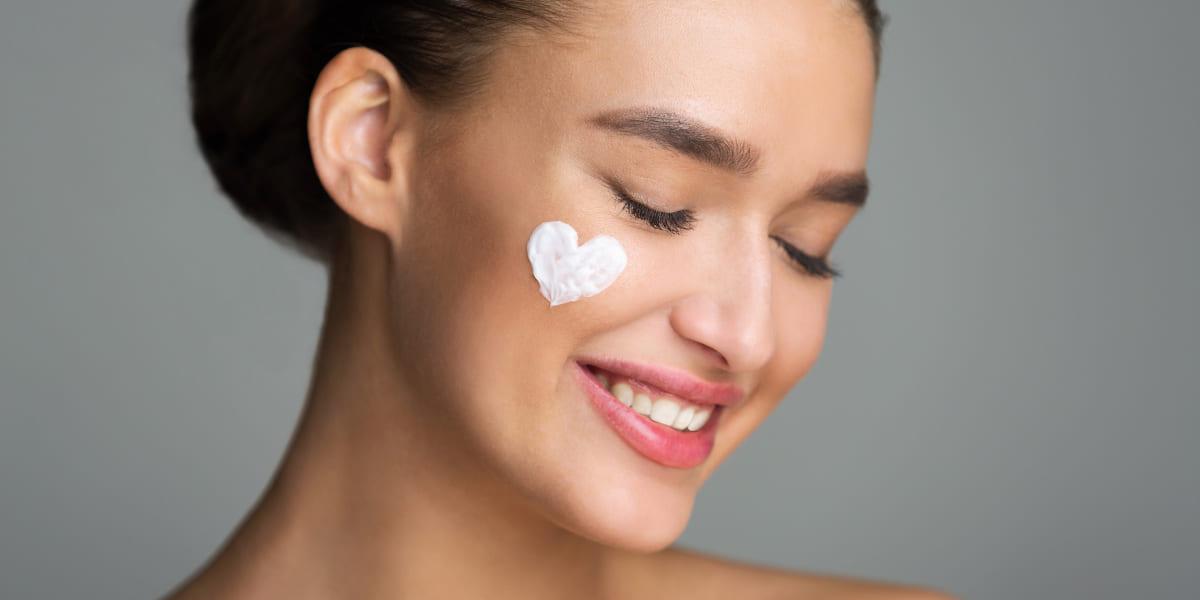
Simple skin care products, basic hygiene items, and a few makeup items that make teens feel good about themselves should all be in a teen beauty bag. Not getting a lot of beauty products is not the point. It’s to make a useful kit that fits the age, skin type, daily habits, and personal tastes of a teenager.
A well-thought-out teen beauty kit can make daily self-care easier without pushing them to use extra products or make their routines more complicated. Getting a few useful basics is a good place to start when putting together a kit for school, a birthday present, a holiday, or your very first makeup collection. Dermatologists usually say that teens should keep their skin care easy, with just a mild cleanser, moisturizer, and sunscreen.
1. Why every teen needs a basic beauty kit
Teenage years are a time of many changes, such as changes in the texture of your skin, the amount of oil it makes, and your personal style. Some teens have sticky skin that breaks out sometimes, while others have dry or sensitive skin. They can take care of their daily beauty needs with a small beauty kit instead of buying things they might not use. It can also help people form healthy habits, like washing their faces before bed, putting on sunscreen, and keeping their personal items clean.
A beauty kit for teens doesn’t have to include expensive makeup or items pushed by social media stars. Instead, it should have things that are useful and appropriate for the teen’s age and tastes. Say a student spends most of the day at school. That student might need sunscreen, lip balm, a hairbrush, and some basic hygiene items. If you like makeup, you might also want a light concealer or lip gloss that looks natural. Personal care shouldn’t be a long, boring daily task. Instead, it should be easy, comfortable, and fun.
2. Skincare products that teens must have
Skincare should be the main part of a teen’s beauty kit because regular care is what makes skin healthy, not having a lot of beauty items. Hormonal changes that happen during adolescence can make the skin produce more oil, which can lead to blackheads and acne. A few gentle products can help get rid of extra oil, keep the skin moist, and shield it from the sun. The American Academy of Dermatology says that teens should use skin care products that are right for their age and shouldn’t add products just because they’re popular online.
2.1 Gentle Facial Cleanser
One of the best things in a teen’s beauty kit is a gentle face wash. It gets rid of sweat, oil, dirt, and makeup without having to scrub hard. Teenagers with oily skin might like a light gel cleanser better, while teens with dry or sensitive skin might like a mild wash that moisturizes more. People whose skin reacts badly to scented products may want to start with a formula that doesn’t have any smell.
If you use the right cleanser, your skin shouldn’t feel tight, rough, or irritated after using it. Most of the time, washing your face in the morning and evening is enough. However, washing it after sweating a lot can also help. Do not try to get rid of pimples with rough brushes or scrubs that are too harsh. This can make acne worse by irritating the skin. Instead of removing the skin’s natural barrier, a cleanser should help it stay in place.
2.2 Lightweight Moisturizer
Even for teenagers with oily or acne-prone skin, moisturizer is an essential component of a teen beauty kit. Skin needs to be moisturized to stay comfortable, and not using it can make it dry or irritated. A light, non-comedogenic formula is often a good choice because it’s not meant to clog pores. Gel moisturizers might work well for oily skin, but a cream with a little more body might be better for dry skin.
Look for simple formulas that have moisturizing ingredients like ceramides or glycerin. If one moisturizer works well, you don’t need to buy different ones for different times of the day. After cleansing, use a good moisturizer and follow the advice on the bottle. If a new product makes your skin burn, turn red, or itch for a long time, stop using it and get help. The best moisturizer is one that feels good on your skin and doesn’t add extra steps to your daily routine.
2.3 Sunscreen for Daily Protection
Sunscreen should always be in a teen’s beauty kit. Sunlight can hurt your skin even when it’s cloudy outside, so it’s especially important to wear sunscreen when you’re playing sports, going to school, or doing other outdoor activities. Pick a broad-spectrum sunscreen that feels good on your face and has an SPF of 30 or more. Even if you swim or sweat, a water-resistant formula can still work, but it needs to be reapplied as directed on the bottle.
Teenagers should follow the directions on the sunscreen bottle before going outside and reapply it as advised, especially after swimming, sweating, or drying off with a towel. For acne-prone skin, a non-comedogenic option might work, and if you want to get rid of the white cast that some sunscreens leave, you might want to try a tinted sunscreen. Along with sunscreen, other ways to protect yourself from the sun include finding shade and wearing clothes that protect you. Makeup with SPF shouldn’t be used instead of a separate sunscreen because some people might not put on enough to get the protection that the label says it gives.
3. Basic Makeup for Teenagers
Teens don’t have to have makeup in their beauty kit; they can if they want to. There are teens who like to try out new colors and styles, and teens who like to keep their faces clean and simple. It makes sense to make both choices. If you like wearing makeup, start with a few simple items that are easy to use, comfortable, and good for your skin.
A useful starting set could have lip balm, a lip gloss that looks natural, concealer, and one extra product for the eyes or cheeks. To make an everyday look, you don’t need a full-coverage foundation, several eyeshadow palettes, contouring products, and a bunch of setting sprays. Picking fewer products also makes it easier to remember when they go bad and to clean the tools you use to put them on. Take off your makeup every night before bed, and make sure the products you use are good for your face.
3.1 Lip Balm, Lip Gloss, and Tinted Products
Lip balm is an everyday item that you should have because your lips can get dry, especially when it’s cold, windy, or inside with air conditioning. A simple balm with no scent can help keep lips soft. A lip balm with SPF can help protect your lips from the sun when you’re outside during the day. If you like a little color, a tinted balm can give you that natural look without the need for a separate lipstick.
Teenagers who like a shiny look can also choose lip gloss as an extra. A clear gloss goes with almost everything, while a gloss with a little color can add a little something extra. Pick items that are soft and won’t irritate your skin. Lip products that come in direct contact with the mouth can spread germs, so don’t share them. An extra lip balm can be kept in the school bag and the other at home to make daily care easier.
3.2 Concealer and Lightweight Base Makeup
Teenagers who want to hide small flaws or places where their skin tone isn’t even may find concealer useful. For everyday wear, a light formula is often easier to work with than a heavy base. Find a product that says “non-comedogenic” if your pores tend to get clogged. Pick a color that is as close to your skin tone as possible, and try it on in natural light while you’re shopping.
Keep in mind that makeup only hides flaws; it doesn’t get rid of the cause of acne. Putting more concealer on a pimple won’t always make it look better, and thick layers can be uncomfortable. If you want to take it off, use clean fingers, a clean makeup sponge or brush, and be gentle. Instead of just using makeup to cover up acne, you should see a doctor if it hurts, doesn’t go away, or leaves scars or dark marks.
3.3 Mascara, Blush, and Other Optional Items
You can use mascara, blush, and eyeshadow if they go with your style and you’re comfortable with them. You can add a soft touch of colour with a blush, and a neutral eyeshadow can be used for any event. People in their teens don’t have to use mascara as part of their beauty routine. It’s easier to find what you really like wearing if you start with just one or two items.
Pay attention to how clean the product is, especially where your eyes are. Don’t let other people use your mascara or eye makeup, and don’t put it on if your eyes are red or infected. When using or replacing something, always follow the manufacturer’s guidelines. Also, never add water or anything else to something to make it last longer. Stop using cosmetics if it makes your skin red, itchy, swollen, or hurts. A good starter set shouldn’t make you feel like you have to follow every makeup trend. Instead, it should be fun and easy to use.
4. Personal Hygiene and Beauty Accessories
A good beauty kit for teens should have things for personal hygiene, skin care, and makeup, if they want to use it. When getting ready for school, travelling, going to an event, or spending the day away from home, these everyday essentials can really come in handy. You can get through a lot of everyday tasks with just a small hairbrush or comb, hair ties, tissues, and a small mirror. A deodorant that works for you may also help you deal with body odour during busy school days or after working out.
Depending on the person’s needs, the kit may also come with a small pack of cotton pads, sanitary products, and hand sanitiser. Because these are useful extras rather than beauty essentials, the teen’s routine should be reflected in the items. Take care to keep the nail clippers, tweezers, and other cleaning tools you include clean and in good shape. Do not share personal care items that can come in contact with your skin or bodily fluids.
Storage is also important. A pouch that can be washed and has different sections can help you keep small things in order and keep spills from getting on other things. Store things away from extreme heat and make sure the lids are tightly closed. Check the products every so often to see if the smell, texture, or look has changed. Having a well-organised kit saves time and helps you find what you need without having to carry around a whole bathroom closet.
5. Choosing Products for Different Skin Types
Not every teen is a good fit for every product. It is useful to know how your skin typically reacts before selecting products because two people of the same age may have very different skincare needs. Weather, hormones, and other variables can alter the characteristics of skin, which might be oily, dry, combination, or sensitive. Choose a product that fits your skin type and is comfortable when used as prescribed rather than purchasing it because it works for a buddy.
|
Skin type |
What to look for |
What to be careful with |
|
Oily skin |
Lightweight cleanser, gel moisturizer, non-comedogenic sunscreen |
Heavy products that feel uncomfortable or clog pores |
|
Dry skin |
Gentle cleanser, moisturizing cream, fragrance-free products |
Harsh soaps and excessive washing |
|
Combination skin |
Gentle cleanser, lightweight moisturizer, suitable sunscreen |
Using too many products to treat different areas |
|
Sensitive skin |
Simple, fragrance-free formulas |
Strong fragrances and products that cause stinging |
|
Acne-prone skin |
Non-comedogenic products and gentle cleansing |
Picking pimples and harsh scrubbing |
These are not hard rules, just general places to start. For example, even oily skin can dry out, so moisturiser shouldn’t be skipped just because you have oily skin. Also, people with sensitive skin may have reactions to ingredients that other people can handle without any problems. One at a time, add new items so that you can figure out what’s irritating. A small patch test can help find some effects, but it can’t promise that a product will never be bad for you.
Teenagers with acne that won’t go away may benefit from some acne treatments, but not everyone needs stronger ingredients. The American Academy of Dermatology says that salicylic acid and benzoyl peroxide may help some people with acne, but they may also make the skin dry or irritated. You can get help from a doctor or dermatologist if you’re not sure which treatment to pick.
6. What Teenagers Should Avoid in a Beauty Kit
As you look for beauty products, it’s natural to think that more will mean better results. When influencers post collections of serums, masks, exfoliants, and specialty creams on social media, it can make complicated skin care routines look like they’re necessary. That being said, most teens don’t need a big collection. Too many products can irritate the skin, and buying things you don’t need can be a waste of money.
Teenagers should be careful with retinol products, harsh facial scrubs, strong acids that remove dead skin, and anti-aging treatments made for adults. Some of these ingredients have good uses, like treating some skin problems, but when they’re used without a clear reason, they might be irritating or not needed. For each person’s problem, a doctor may suggest a certain active ingredient, so the goal is not to stay away from all of them forever. It’s to keep you from trying out strong products just because they’re popular right now.
Also, you should be careful with skin-lightening products that say they will work dramatically in just a few days. Stay away from products that aren’t labelled or whose ingredients aren’t clear, and don’t use prescription creams without first talking to a doctor. If something makes your skin burn, peel, or turn red, that doesn’t mean it’s working. These signs could mean that you are irritated or having a bad reaction.
Additionally, it is smart not to buy too many new things at once. If something makes your skin react badly, it can be hard to figure out what caused it. Give your habit time to work, start with the basics, and do what the product says. If a product makes you sick, stop using it and see a doctor if your symptoms get worse or don’t go away.
7. How to Build an Affordable Teen Beauty Kit
You don’t have to spend a lot of money to make a useful beauty kit for teens. First, make a list of the products you really need for daily care. A gentle cleanser, moisturiser, and sunscreen are all good things to have on hand. After that, you should have your personal hygiene basics and any makeup you like. By buying these things in smaller amounts over time, you can save money and avoid wasting money on things that look good but don’t work for you.
You can choose what to buy first with the help of a simple spending plan. The prices listed below are just examples of what people might spend money on in Pakistani rupees. They are not actual, official retail prices. The real costs depend on the brand, size, retailer, and type of product.
|
Kit type |
Suggested contents |
Illustrative budget |
|
Basic essentials |
Cleanser, moisturizer, sunscreen, lip balm |
PKR 2,500–5,000 |
|
Everyday beauty kit |
Basic skincare, lip gloss, concealer, hairbrush, hair ties |
PKR 4,000–8,000 |
|
Expanded starter kit |
Basic skincare, several makeup items, hygiene products, storage pouch |
PKR 7,000–12,000 |
These estimates are meant to help you plan, not to reassure you. You can save money by buying smaller sizes, picking reliable options that are easy on the wallet, or using accessories that work that you already have. However, don’t skimp on quality or buy cosmetics that aren’t labelled just because they’re cheap.
Also, it helps to know the difference between necessities and bonuses. Sunscreen is an important way to stay safe, but buying an extra eyeshadow set is not required. If you don’t have a lot of money, buy the things you will use most often first. Most of the time, a small kit with five useful items is better than a big box of fifteen things that you never use.
8. Keeping your beauty products clean and in order
When everything in a beauty kit is clean, easy to find, and safe to use, it’s more useful. Makeup brushes and sponges can get oily, dirty, and left-over makeup, so clean them regularly as directed by the type of tool. Let tools that can be used again dry completely before putting them away. Not putting away a makeup sponge while it is still wet is not a good idea because water can help germs grow.
Sharing personal items without thinking is not a good idea. People can get germs from lip gloss, mascara, makeup brushes, and facial tools. Separate your own goods from those of family and friends, and wash your hands before putting on makeup or skin care. Do not touch the inside of containers without reason, and make sure the lids are tightly closed after each use.
Check the dates on the packaging and any symbols that say “use after” a certain amount of time. Things can break down over time, especially if they are exposed to heat, sunlight, or water. Stop using a product if its smell, colour, or texture changes, or if the package gets broken. Don’t hold on to old makeup just because it was cheap or almost empty.
To make it easier to find things, divide the kit into a few simple groups: accessories, makeup, skin care, and hygiene. A small zippered bag is good for carrying everyday items, while a bigger organiser can hold things you keep at home. Skincare and makeup should be kept where the labels say to, out of direct sunlight and away from heat sources. When you store things properly, you can use them more wisely and keep up with your routine more easily.
9. Making a simple beauty routine for every day
The best thing about a teen beauty kit is that its items should be easy to use every day. You don’t have to spend an hour every morning getting ready. You can take care of your skin with just a few consistent steps. You can add makeup and other beauty products whenever you want.
Morning routine
Start by washing your face with a mild cleanser. If your skin is dry or sensitive, use a simpler way to clean your face. If you need to, use a good moisturiser and then a broad-spectrum sunscreen with SPF 30 or higher. Follow the advice on the skincare products and let them settle before putting on makeup if you want to. Brush your hair, put on lip balm, and do anything else that makes you feel ready for the day.
Evening routine
You should take off your sunscreen and makeup at night, and then gently wash your face. Use moisturiser to keep your skin soft while you sleep. If a medical worker tells you to use a treatment, do it exactly as it says on the package instead of adding a bunch of other products. To make it easier to stick to, even after a long day at school, keep the evening routine simple.
Care once a week and daily habits
Clear some time to clean your makeup tools, look over your items, and put your beauty pouch in order. You shouldn’t have to buy new things every month; instead, replace things as needed. Don’t pick at your pimples, and remember that getting enough sleep, eating well, staying hydrated, and doing regular physical activity are all good for your health.
If you get painful acne, irritation that won’t go away, or a skin problem that makes you feel bad about your appearance, it might be better to talk to a dermatologist than to buy another beauty product. Daily tasks should not be stressful; instead, they should make taking care of yourself easy. The best approach is the one that fits your wants and is easy for you to stick to.
To Read More Blogs: Click Here
Last Words
A well-thought-out teen beauty kit should include useful skin care and hygiene products, as well as a few beauty items that you can choose to use if you want to. Start with a gentle cleanser, a good moisturiser, and sunscreen every day. Add lip balm, a hairbrush, basic cleaning items, and makeup that you don’t need to look fancy.

 English
 Arabic
 French
 Spanish
 Portuguese
 Deutsch
 Turkish
 Dutch
 Italiano
 Russian
 Romaian
 Portuguese (Brazil)