
Personal Care Specialty Ingredient Market Growth and Industry Innovations
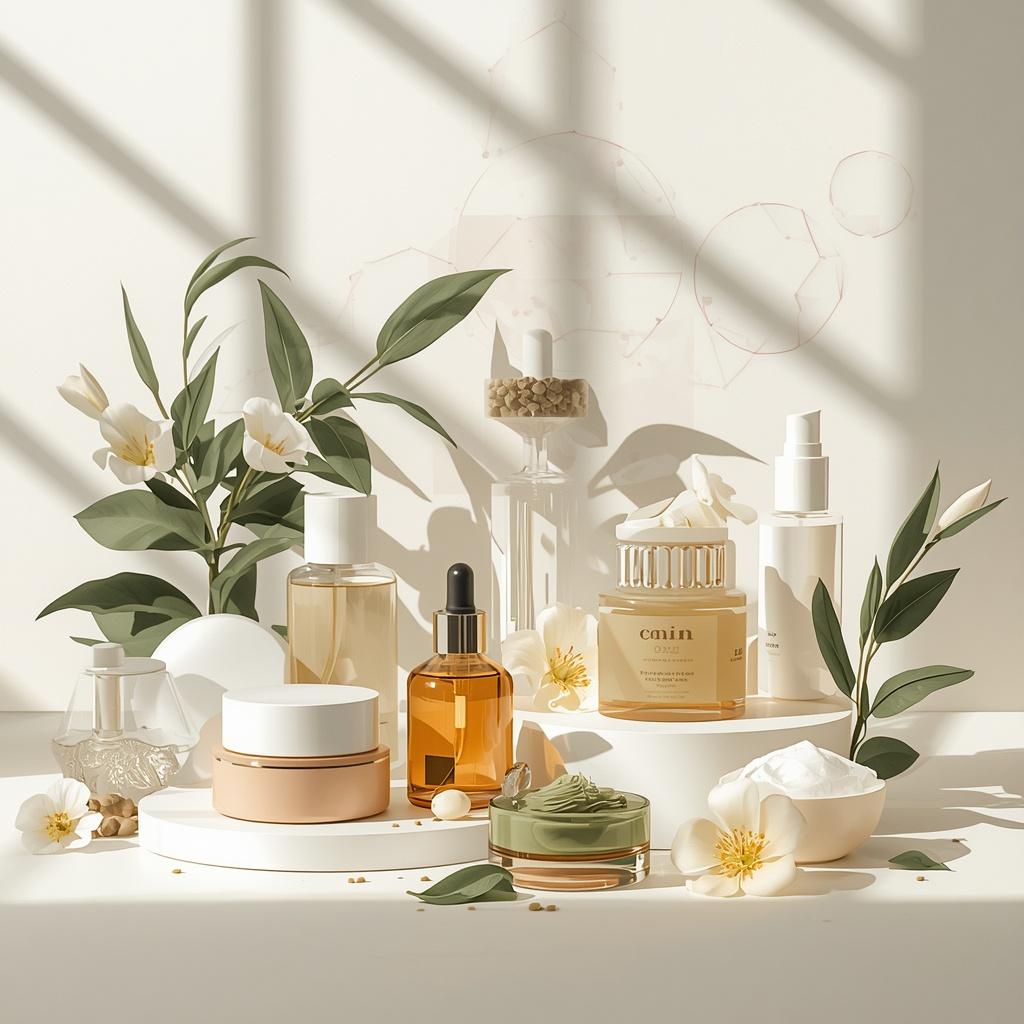
Innovation is an important part of the personal care industry. Consumers expect skincare, haircare, and hygiene products to offer convenient application, appealing textures, and consistent product experiences. To meet these expectations, manufacturers rely on specialty ingredients that perform particular functions within cosmetic formulations. These materials help companies develop products with specific characteristics and support the technical requirements of modern personal care manufacturing.
The increasing focus on advanced personal care formulation materials highlights the importance of ingredient selection in product innovation. Specialty ingredients include functional materials such as emulsifiers, surfactants, preservatives, conditioning agents, emollients, and formulation stabilizers. Each ingredient serves a purpose, and its suitability depends on the type of product being developed. By combining compatible materials, manufacturers can create formulations for different consumer routines and personal care applications.
The Role of Innovation in Personal Care
Personal care innovation involves more than introducing new packaging or product designs. Formulation improvements are equally important because ingredients influence how products behave during manufacturing, storage, and use. Specialty ingredients allow formulators to adjust product consistency, cleansing performance, conditioning properties, and application characteristics.
For example, a facial moisturizer requires a suitable formulation system that combines different components into a consistent product. A shampoo requires cleansing ingredients that work with other materials to create the intended product experience. A conditioner needs ingredients that support its conditioning function and desired texture.
Ingredient suppliers support this development by providing materials designed for specific formulation requirements. Their technical information can help manufacturers evaluate ingredient compatibility and identify suitable applications.
Multifunctional Ingredients and Formulation Efficiency
An important area of interest is the development of ingredients that can contribute to more than one formulation function. Multifunctional materials may help manufacturers simplify certain formulation systems or develop products with several desired characteristics.
This approach can be relevant across skincare, haircare, and hygiene applications. A carefully selected ingredient may contribute to product texture while also supporting another formulation property. The exact function depends on the material and how it is used within the complete formula.
Multifunctional ingredients can also provide opportunities for product differentiation. Manufacturers may explore them when developing products for consumers who prefer convenient routines or formulations with carefully selected components.
Expanding Applications Across Beauty Categories
Skincare products offer many opportunities for specialty ingredients. Facial cleansers, moisturizers, serums, sunscreens, and body lotions require different formulation systems. Specialty ingredients help manufacturers create the desired consistency, application experience, and product characteristics.
Haircare products also rely on functional materials. Shampoos use cleansing ingredients, conditioners incorporate conditioning agents, and styling products may require materials that help achieve particular product textures or hold characteristics.
Personal hygiene products represent another important application area. Body washes, hand washes, deodorants, and other daily-use products require ingredient combinations selected according to their intended purpose. Manufacturers must consider product performance, consumer experience, and relevant formulation requirements.
Consumer Preferences and Ingredient Awareness
Consumers are increasingly interested in understanding what goes into the products they purchase. Ingredient labels and product descriptions can influence how buyers evaluate personal care products. This creates opportunities for brands to communicate the purpose of specialty ingredients in straightforward language.
Some consumers prefer products featuring botanical components, while others focus on formulation performance, skin feel, or particular product formats. Manufacturers must understand these preferences when selecting ingredients and developing product concepts.
Transparent communication is especially important when discussing functional ingredients. Brands should explain their role accurately and avoid unsupported claims about what a product can achieve.
Quality and Formulation Considerations
Specialty ingredients must be evaluated carefully before they are included in finished products. Manufacturers consider compatibility with other materials, stability, handling requirements, and suitability for the intended application. Proper formulation development helps ensure that products meet their specifications.
Supplier consistency is also important. Ingredient quality and documentation can influence the reliability of the manufacturing process. Companies benefit from working with suppliers who provide clear technical information and maintain appropriate quality practices.
Future Opportunities in the Market
The Personal Care Specialty Ingredient Market may continue to benefit from product innovation and the growing diversity of beauty and hygiene formulations. Manufacturers are likely to keep exploring functional ingredients that support improved textures, convenient product formats, and differentiated personal care experiences.
Developments in multifunctional materials, botanical formulations, and specialized ingredient systems may create opportunities across several product categories. Companies that understand formulation requirements and consumer preferences can use specialty ingredients to support their product development strategies.
Overall, specialty ingredients remain an essential part of the personal care industry's innovation process. Their role in product functionality and formulation development makes them important to the future of beauty and hygiene manufacturing.
FAQs
Q1. How do specialty ingredients support personal care innovation?
They help manufacturers develop specific product properties, including texture, cleansing, conditioning, stability, and application characteristics.
Q2. What are multifunctional ingredients in cosmetics?
Multifunctional ingredients are materials that can contribute to more than one formulation function, depending on their properties and how they are incorporated into a finished product.

 English
 Arabic
 French
 Spanish
 Portuguese
 Deutsch
 Turkish
 Italiano
 Russian
 Romaian
 Portuguese (Brazil)
 Greek