
Upper GI Surgeon: Expert Care for Digestive System Conditions
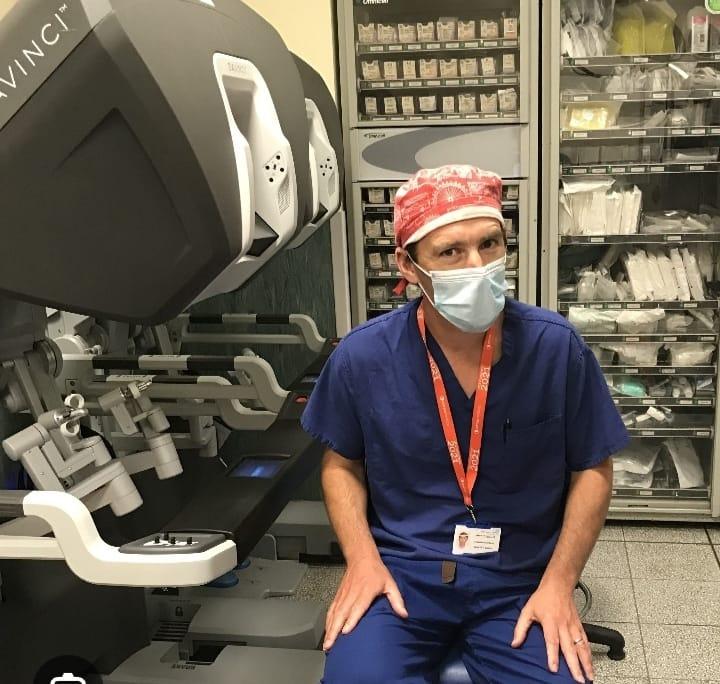
Upper GI Surgeon for Expert Digestive Care
An upper gastrointestinal (GI) surgeon specialises in diagnosing and treating conditions affecting the upper digestive system, including the oesophagus, stomach and upper part of the small intestine. These specialists provide care for patients experiencing persistent digestive discomfort, acid reflux, difficulty swallowing and other upper digestive problems. Depending on the condition, treatment may involve medication, lifestyle changes, minimally invasive procedures or surgery. Consulting an experienced upper GI surgeon can help patients understand their symptoms, explore suitable treatment options and make informed decisions about their health.
What Does an Upper GI Surgeon Treat?
An upper GI surgeon manages a range of conditions affecting the upper digestive tract. These may include gastro-oesophageal reflux disease (GERD), hiatus hernia, stomach ulcers requiring surgical treatment, swallowing difficulties and certain stomach or oesophageal cancers. They may also treat selected conditions involving the upper abdomen that require specialist surgical assessment. The recommended treatment depends on the patient's symptoms, medical history, diagnostic findings and overall health.
Common Symptoms That May Require an Upper GI Specialist
Digestive symptoms can develop for several reasons, and persistent or worsening problems should be assessed by a qualified healthcare professional. Common symptoms include frequent heartburn, acid regurgitation, ongoing upper abdominal pain, bloating, nausea and difficulty swallowing. Unexplained weight loss or repeated vomiting may also require medical investigation. Early assessment can help identify the underlying cause and determine whether medication, further testing or surgical treatment is appropriate.
When Should You Consult an Upper GI Surgeon?
You may need to consult an upper GI surgeon if digestive symptoms continue despite initial treatment, if you have a diagnosed hiatus hernia requiring specialist review, or if your doctor recommends surgery for an oesophageal or stomach condition. Patients with suspected digestive tract tumours may also require specialist assessment. Seek urgent medical attention for vomiting blood, black stools, severe abdominal pain or sudden difficulty swallowing.
Diagnostic Tests and Treatment Options
An upper GI surgeon may recommend diagnostic tests to understand the cause of your symptoms. Depending on your condition, these may include upper gastrointestinal endoscopy, imaging scans, blood tests or other specialised investigations. The results help guide an individual treatment plan and establish whether surgery is necessary.
Minimally Invasive Upper GI Surgery
Where appropriate, minimally invasive techniques, including laparoscopic surgery, may be used to treat selected upper digestive conditions. These procedures involve smaller incisions than traditional open surgery and may offer benefits such as reduced postoperative discomfort and a shorter recovery period. However, suitability depends on the specific diagnosis, the complexity of the procedure and the patient's general health.
Benefits of Consulting a Specialist Upper GI Surgeon
A specialist assessment can help patients understand their diagnosis, compare available treatment options and prepare for recovery. An upper GI surgeon works with other healthcare professionals when necessary to coordinate investigations, treatment and follow-up care. Patients should discuss the expected benefits, potential risks, alternatives and recovery requirements before proceeding with any operation.
Preparing for Your Consultation
Before your appointment, make a note of your symptoms, when they started and what makes them better or worse. Bring details of your current medications, previous operations, medical conditions and any earlier test results. Preparing questions about treatment choices, surgical risks and recovery can help you get the most from your consultation.
Choose the Right Upper GI Surgeon for Your Needs
When choosing an upper GI surgeon, consider their qualifications, specialist training, experience with your particular condition and the facilities available for diagnosis and treatment. Clear communication is also important so you can understand your options and feel confident about your care. A personalised assessment is the first step towards finding the most appropriate treatment for your upper digestive health.

 English
 Arabic
 French
 Spanish
 Deutsch
 Turkish
 Dutch
Dutch
 Italiano
 Russian
 Romaian
 Portuguese (Brazil)
 Greek
Greek