
What Happens Inside Your Furnace During Summer, and Why Should You Clean It Before Winter?
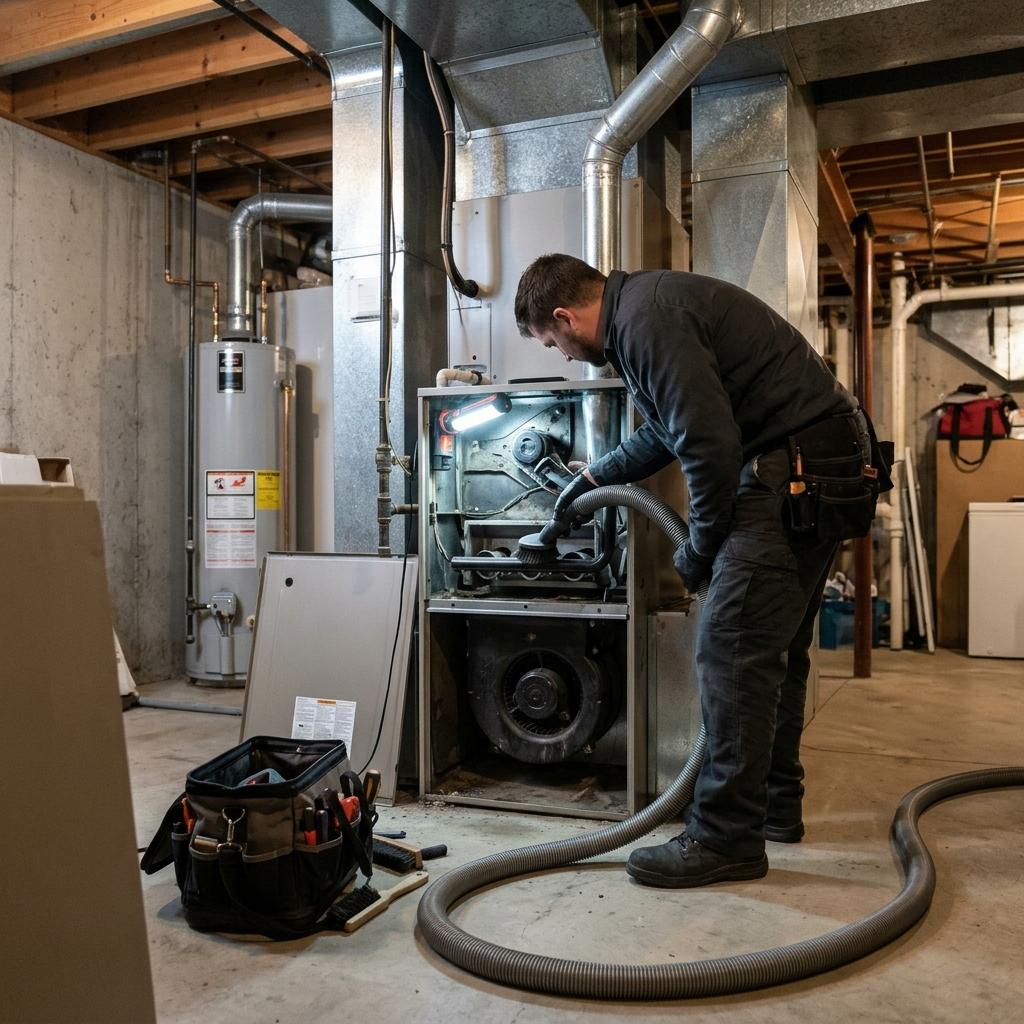
A furnace can sit unused for several months while homeowners rely on open windows, fans, or air conditioning to stay comfortable. During that time, household dust and other debris can gradually collect inside the heating equipment. When colder weather arrives and the system starts running again, accumulated dust may become noticeable through unusual odors, visible particles around vents, or changes in airflow.
For homeowners in Portland, Oregon, preparing a heating system before the first cold spell is a practical part of seasonal home maintenance. Although a furnace may appear perfectly fine from the outside, its internal components can tell a different story. Understanding where dust collects, how it affects the heating system, and when professional cleaning makes sense can help homeowners make better maintenance decisions.
Why Does Dust Accumulate Inside a Furnace?
A forced-air furnace continuously moves air through a network of return ducts, filters, internal equipment, and supply vents. Even with a properly installed filter, small amounts of household dust can enter areas of the system over time.
Several everyday activities contribute to indoor dust. Cooking, cleaning, walking across carpets, having pets, and opening exterior doors can introduce particles into the home's air. These particles circulate through the heating system and may collect in areas that are not accessible during ordinary household cleaning.
The furnace cabinet is particularly important because it houses several components involved in moving and heating air. Dust can settle along the cabinet floor, around the blower compartment, and near the return air connection.
During summer, when the heating system remains inactive, accumulated debris may go unnoticed. Once the furnace starts operating again, the movement of air can make existing dust more apparent.
What Happens When You Turn On a Furnace After Summer?
The first heating cycle of the season can reveal maintenance issues that developed while the system was inactive.
One common experience is a temporary burning-dust smell. This odor can occur when accumulated dust warms during the initial operation of the furnace. A brief smell may disappear after the system runs, but persistent, strong, or unusual odors should not automatically be dismissed as normal.
Homeowners may also notice other changes.
Burning or Musty Odors
Dust accumulated around warm furnace components can produce an unpleasant smell during startup. However, not every odor has the same cause. Electrical smells, persistent burning odors, or signs of smoke require immediate attention and professional assessment.
Dust Coming From Heating Vents
Visible dust around supply registers can make homeowners wonder whether the furnace or ductwork needs attention. The source may be a dirty furnace component, household dust near the registers, or accumulated debris elsewhere in the air distribution system.
Identifying the actual source is more useful than assuming every dust problem requires the same cleaning service.
Reduced or Uneven Airflow
A heavily clogged filter or dust accumulation around airflow-related components can interfere with normal air movement. If some rooms feel colder than others, homeowners should check accessible vents and the filter before assuming the furnace itself is failing.
Persistent airflow problems may require an HVAC technician to inspect the system.
Which Furnace Components Should Be Checked Before Winter?
A seasonal inspection should consider the condition of the equipment rather than focusing exclusively on its exterior appearance.
Certain areas deserve particular attention because they collect dust during normal system operation.
Furnace Cabinet
The cabinet protects and houses important heating equipment. Dust and loose debris can settle along its interior surfaces and floor.
Professional cleaning involves accessing the appropriate areas and removing accumulated material without damaging sensitive equipment or disturbing electrical and mechanical connections.
Blower Compartment
The blower moves conditioned air through the home's ductwork. Because it plays such an important role in air circulation, its surrounding compartment deserves attention during seasonal maintenance.
A buildup of dust near the blower housing can become part of a larger cleanliness problem within the furnace.
For homeowners looking into furnace blower compartment cleaning in Portland, OR, understanding the difference between cleaning the compartment and servicing the blower motor is important. Cleaning addresses accumulated dust and debris, while mechanical servicing may involve diagnosing motor performance, electrical components, or other equipment issues.
Air Filter and Return Air Connection
The air filter helps capture particles before they enter the furnace. However, filters need to be correctly sized and replaced according to the manufacturer's recommendations and household conditions.
The return air connection is another area worth checking because it carries household air toward the heating equipment. Dust around this connection can contribute to contamination inside the furnace.
Is Furnace Cleaning the Same as a Heating System Tune-Up?
No. Although homeowners sometimes use these terms interchangeably, they describe different maintenance activities.
Furnace cleaning focuses on removing dust and debris from accessible equipment areas. Depending on the service scope, this can include the cabinet interior, blower compartment, and return air drop.
A heating system tune-up is different. It involves technical checks of the equipment's operating condition and safety-related functions.
For fuel-burning furnaces, professional servicing should address appropriate combustion and safety considerations. The U.S. Environmental Protection Agency recommends that fuel-burning furnaces be inspected and serviced before each heating season to help protect against carbon monoxide poisoning.
A cleaning appointment should therefore not be treated as a replacement for a proper HVAC safety inspection.
Homeowners can benefit from understanding what each appointment includes and arranging the appropriate services when necessary.
When Should Portland Homeowners Schedule Furnace Cleaning?
Early fall is a convenient time to prepare heating equipment for colder weather. Scheduling before temperatures drop allows homeowners to address visible dust accumulation and other maintenance concerns before the furnace becomes part of their daily routine.
However, seasonal timing is not the only consideration.
A homeowner may want to investigate furnace cleaning when:
-
A burning-dust odor repeatedly appears during heating startup.
-
Visible dust accumulates inside accessible furnace areas.
-
The furnace has not received cleaning attention in several years.
-
The air filter becomes dirty unusually quickly.
-
A previously owned home has recently been purchased.
-
Dust is noticeable around the furnace cabinet or return connection.
These observations do not automatically mean the equipment requires extensive cleaning. They provide useful reasons to have the system assessed and determine whether a particular service is appropriate.
Simple Habits That Help Keep a Furnace Cleaner
Professional cleaning is only one part of maintaining a heating system. Homeowners can also reduce unnecessary dust accumulation through consistent household habits.
Replace air filters regularly. Check the manufacturer's recommendations and inspect the filter periodically. Homes with pets, higher dust levels, or frequent system use may require more frequent attention.
Keep return vents unobstructed. Furniture, curtains, and stored belongings should not block return air openings. Restricted airflow can affect how the system circulates air.
Control household dust. Regular vacuuming, cleaning, and dusting help reduce the amount of debris that can enter the return air system.
Pay attention to renovation work. Construction and remodeling can generate substantial dust. Protecting registers and keeping the heating system from circulating construction debris during cleanup can help limit contamination.
Arrange appropriate professional inspections. Cleaning and safety maintenance serve different purposes. Both should be considered according to the equipment manufacturer's guidance and the condition of the heating system.
These habits will not eliminate all internal dust, but they can help homeowners maintain a cleaner operating environment.
Should Furnace Cleaning Be Combined With Other HVAC Services?
Sometimes, yes. The appropriate combination depends on the condition and configuration of the home's heating and cooling equipment.
For example, air duct cleaning addresses accumulated debris inside the supply and return ductwork. Furnace cleaning focuses on designated areas within the heating equipment itself. These services address different parts of the system and should not be confused with one another.
Air conditioning equipment may also benefit from separate coil cleaning when inspection indicates that the relevant components need attention.
Rather than automatically purchasing every available service, homeowners should ask which areas will be cleaned, what problems have been identified, and whether the proposed work is appropriate for their particular system.
A clearly defined service scope makes it easier to understand what is included and what may require a separate HVAC professional.
Prepare Your Furnace Before Portland's Cold Weather Arrives
A furnace that has been inactive throughout summer deserves attention before it begins operating regularly again. Dust accumulation around the cabinet, blower compartment, and return connection can become more noticeable during the first heating cycles.
For Portland homeowners, early preparation offers an opportunity to identify cleaning needs, check air filters, and arrange appropriate professional maintenance before winter temperatures arrive.
The most useful approach is to understand the condition of the equipment rather than relying on assumptions. Proper cleaning, routine filter care, and separate safety inspections all contribute to a more informed home heating maintenance routine.
By addressing these tasks before the heating season begins, homeowners can enter the colder months with a clearer understanding of their furnace's condition and the maintenance it actually needs.

 English
 Arabic
 French
 Spanish
 Portuguese
 Deutsch
 Turkish
 Italiano
 Russian
 Romaian
 Portuguese (Brazil)
 Greek