
Best Wood Types for a Solid Wood Lateral File Cabinet
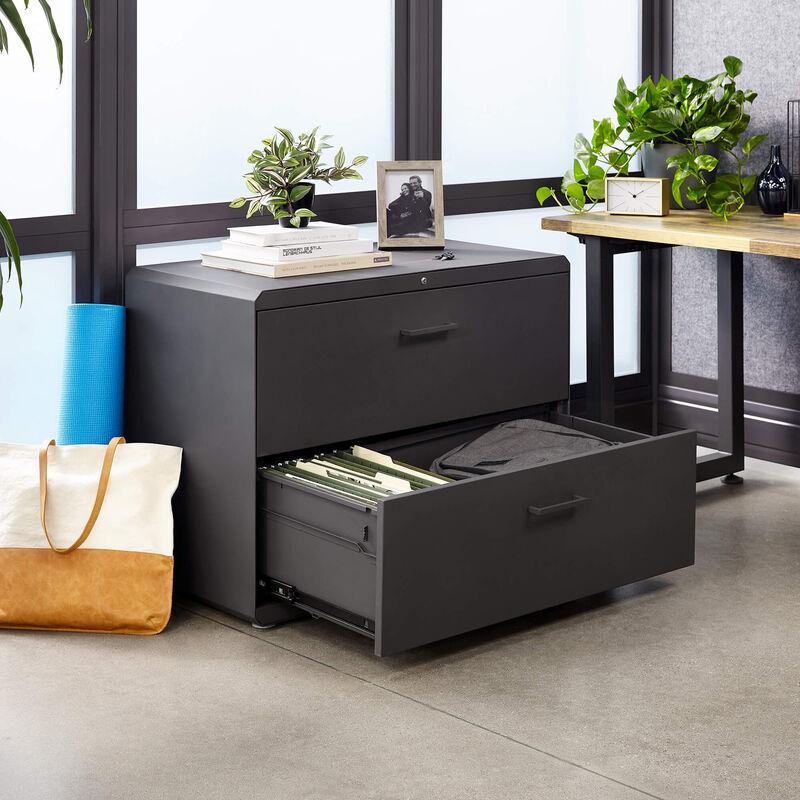
Choosing the right material is one of the most important decisions when buying office storage furniture. A solid wood lateral file cabinet can provide dependable document storage while adding warmth, character, and long-term value to a workspace. For anyone researching a solid wood lateral file cabinet review, understanding the differences between common wood species can make it easier to choose a cabinet that matches both practical needs and interior style. From oak and walnut to maple, pine, and mango wood, each option offers different qualities in durability, appearance, grain pattern, and maintenance.
For home offices, professional workspaces, libraries, and study areas across the USA, a well-made lateral file cabinet can serve as both functional storage and attractive furniture. The best wood depends on how frequently the cabinet will be used, the desired appearance, the surrounding furniture, and the budget. This guide explores popular solid wood choices and explains what to consider before bringing one into an American home or office.
Why Wood Matters in a Lateral File Cabinet
The material used to construct a lateral file cabinet affects its strength, appearance, longevity, and everyday performance. Solid wood is valued because it has a natural structure that can withstand regular use when properly constructed and maintained. Unlike thin manufactured panels, quality solid wood can provide a substantial feel and a traditional furniture appearance.
A lateral cabinet is particularly useful because its drawers extend horizontally rather than vertically. This design can provide convenient access to documents while using wall space efficiently. When paired with a durable wood species, the cabinet can become a long-lasting part of an office furniture collection.
Wood also brings visual warmth to workspaces. A natural grain can complement desks, bookcases, chairs, shelving, and other office pieces. Because American interiors range from traditional and rustic to contemporary and transitional, different wood species can accommodate a variety of decorating approaches.
Oak for Strength and Classic Style
Oak is one of the most recognizable choices for solid wood furniture. It is appreciated for its strength, prominent grain, and ability to work well with numerous finishes. An oak lateral file cabinet can suit both traditional offices and more relaxed home workspaces.
Red oak and white oak have slightly different appearances. Red oak often features warmer reddish or pinkish tones, while white oak generally has a more neutral and subtle appearance. Both can provide attractive grain patterns that remain visible through many finishes.
For a frequently used office cabinet, oak can be a practical choice because of its durability. Its traditional appearance also makes it easy to coordinate with other wooden furniture. An oak cabinet can work especially well in a home office where the goal is to create a professional environment without making the room feel overly commercial.
Maple for a Clean and Refined Appearance
Maple is another strong option for office furniture. It generally has a lighter appearance and a relatively subtle grain compared with oak. This makes maple suitable for modern, minimalist, and transitional interiors.
A maple lateral file cabinet can make a room feel bright and organized. Its lighter natural color works well with neutral walls, contemporary desks, and clean-lined office accessories. For homeowners who prefer furniture that does not visually dominate a room, maple can be an appealing material.
Hard maple is particularly known for its strength and resistance to everyday wear. However, the exact performance of any cabinet depends on construction quality, joinery, drawer hardware, finish, and how the furniture is used.
Walnut for Rich Color and Premium Appeal
Walnut is often selected for its deep, sophisticated appearance. Its naturally darker tones can give a lateral file cabinet a refined presence in an executive office, study, or upscale home workspace.
Walnut grain can vary considerably, creating a distinctive appearance from one piece to another. This natural variation is part of its appeal. A walnut cabinet can also coordinate beautifully with leather office chairs, darker desks, brass hardware, and warm interior finishes.
Because walnut is often positioned as a premium furniture wood, it may cost more than some other species. Buyers should therefore consider whether the cabinet's construction and features justify the investment. A quality walnut piece can become a statement item rather than simply a storage unit.
Pine for a More Casual and Rustic Office
Pine offers a different combination of characteristics. It is generally lighter in color and has a more casual appearance than walnut or many hardwood options. Its visible knots and grain can contribute to a rustic or farmhouse-inspired aesthetic.
For a home office, pine can create a comfortable and informal atmosphere. It can also complement rustic desks, reclaimed wood furniture, woven accessories, and neutral décor.
Pine is softer than many hardwood species, which means it can be more susceptible to dents and surface marks. That does not necessarily make it unsuitable for office furniture, but buyers who expect heavy daily use should pay attention to construction and finish quality.
Mango Wood for Distinctive Character
Mango wood has become an increasingly popular furniture material because of its distinctive grain and warm appearance. It can offer a balance between natural character and contemporary styling.
A mango wood lateral file cabinet can add visual interest to an office without requiring elaborate decorative details. Grain variations, knots, and tonal differences can make each piece look individual.
For USA homeowners interested in eclectic, transitional, or globally inspired interiors, mango wood can provide an attractive alternative to more conventional furniture species. As with any wood furniture, buyers should check how the material has been dried, treated, finished, and assembled.
Comparing Wood Grain and Appearance
The visual character of a lateral file cabinet can influence how the entire office feels. Oak tends to have a pronounced grain that creates a traditional furniture look. Maple usually appears cleaner and lighter, while walnut offers darker and richer tones. Pine introduces a casual rustic quality, and mango wood can provide varied grain and natural character.
When selecting a cabinet, consider the furniture already in the room. Matching every piece exactly is not necessary, but the woods should feel visually compatible. For example, a darker walnut cabinet can create contrast against a light desk, while a maple cabinet may blend naturally into a bright contemporary workspace.
Finish also changes the appearance of wood. Natural, clear, stained, distressed, and painted finishes can all produce different results. Looking beyond the wood species itself is therefore important when comparing furniture.
Construction Is Just as Important as Wood Species
The best wood species cannot compensate for poor construction. When evaluating a lateral file cabinet, pay attention to how the cabinet is assembled. Strong joinery, sturdy drawer boxes, reliable slides, and well-fitted components can have a significant impact on everyday performance.
Drawer capacity is another important consideration. A lateral filing cabinet may hold a substantial amount of paper, so the drawers and hardware should be designed for the intended load. Smooth extension mechanisms can make frequent filing much easier.
Buyers should also consider whether the cabinet includes features such as a locking mechanism, anti-tip construction, adjustable storage components, or compatibility with standard filing systems. These details can be more important to everyday usability than the particular wood species.
Choosing Wood for a Home Office in the USA
American homes have diverse interior styles, so there is no single wood species that suits every workspace. A traditional home office may benefit from oak or walnut, while a modern room could pair well with maple. Pine can complement rustic décor, while mango wood can suit spaces with an eclectic or handcrafted appearance.
Room size also matters. Darker wood can create a substantial visual presence in a small office, while lighter woods can help maintain an open appearance. However, lighting, wall color, flooring, and other furniture should also be considered.
If the office doubles as another living area, choosing a cabinet that looks like attractive furniture rather than purely commercial storage can help the room feel cohesive.
Maintenance for Solid Wood File Cabinets
Proper care can help preserve the appearance of solid wood furniture for years. Dust should generally be removed with a soft, dry or slightly damp cloth according to the manufacturer's care instructions. Excess moisture should be avoided because prolonged exposure can affect wood and finishes.
Direct sunlight can gradually alter the color of natural wood. Positioning the cabinet away from strong, continuous sunlight can help reduce uneven fading. Spills should also be cleaned promptly rather than left on the surface.
Drawer hardware deserves attention as well. If drawers become difficult to open, checking alignment and hardware can help prevent unnecessary stress. Avoid overloading drawers beyond their intended capacity, as excessive weight can affect both the drawer structure and slides.
Matching a Lateral File Cabinet With Other Furniture
A lateral file cabinet does not need to match a desk perfectly to create an attractive office. Coordinating finish tones, hardware, proportions, and design details can be enough to create a unified look.
For example, a natural oak cabinet can complement a darker desk when other elements in the room introduce both tones. A walnut cabinet can pair naturally with leather seating, while a lighter maple cabinet may work well with white shelving and contemporary accessories.
Consider the cabinet's height and width as well. A low lateral cabinet can sometimes double as a surface for décor or office accessories, while a wider model can provide substantial storage without taking up vertical wall space.
What to Look for Before Buying
Before purchasing a solid wood lateral file cabinet, think about the type and amount of documents you need to store. Measure the available floor area and confirm that drawers will have enough room to open fully.
Next, examine the wood species, finish, construction, drawer hardware, and storage capacity. Consider whether the cabinet will be used occasionally in a home office or several times a day in a professional environment.
It is also useful to think about long-term style. Furniture is often kept for many years, so selecting a design that can work with future décor changes can provide greater value. Natural wood furniture is particularly versatile because it can often transition between different interior styles.
Why Solid Wood Remains a Popular Choice
Solid wood continues to be valued because it combines functionality with the visual appeal of natural material. Grain variations make each piece distinctive, while quality construction can support years of regular use.
A lateral file cabinet also solves a practical storage problem without requiring tall furniture. Its horizontal design can make frequently accessed documents easier to organize while providing a substantial furniture presence.
For USA buyers creating a comfortable and productive office, the right cabinet can contribute to both organization and aesthetics. Whether the preference is classic oak, refined walnut, bright maple, casual pine, or distinctive mango wood, the key is selecting a cabinet that balances material quality with practical features.
Conclusion
Selecting the best wood for a lateral file cabinet depends on your priorities, including durability, appearance, office style, budget, and expected use. Oak provides a classic and sturdy option, maple offers a lighter look, walnut creates a sophisticated appearance, pine brings rustic character, and mango wood provides distinctive natural variation. Beyond wood species, construction quality, drawer hardware, storage capacity, and maintenance requirements should all be considered.
For shoppers looking for thoughtfully designed furniture for home offices and professional spaces across the USA, Crafters and Weavers offers furniture options that can bring practical storage and natural character into an organized workspace.
FAQs
What is the best wood for a lateral file cabinet?
Oak, maple, walnut, pine, and mango wood can all work well depending on the intended use and desired appearance. Harder woods are generally suitable for frequent use, while softer woods can provide a more casual aesthetic.
Is solid wood better than engineered wood for a file cabinet?
Solid wood offers natural grain, substantial construction, and a traditional furniture appearance. Engineered wood can also be useful and may provide consistent dimensions. The overall construction and hardware are important regardless of the material.
Is oak a good choice for office storage?
Yes, oak is widely valued for its strength, attractive grain, and classic appearance. It can work well in both home offices and professional workspaces.
How should a solid wood file cabinet be maintained?
Regular dusting, prompt cleanup of spills, avoiding excessive moisture, and following the manufacturer's care instructions can help maintain the finish. Avoid overloading drawers beyond their recommended capacity.
What size lateral file cabinet should I choose?
Choose a size based on available floor space, filing needs, and drawer clearance. Measure the room carefully and make sure the drawers can open fully without interfering with desks, chairs, or walkways.

 English
 Arabic
 French
 Spanish
 Portuguese
 Deutsch
 Turkish
 Dutch
Dutch
 Russian
 Romaian
 Portuguese (Brazil)
 Greek
Greek